 An official website of the United States government




September 29, 2026 Edition

News
Antiviral drug did not improve Long COVID symptoms
A clinical trial for Long COVID found that treating patients with a common antiviral drug for up to 25 days did not improve symptoms.

News
tRNA treatment may help restore cystic fibrosis proteins
Lipid nanoparticles delivering engineered transfer RNA restored functional proteins in cell and animal models of cystic fibrosis.

News
Bacterial infection may alter developing gut
C. difficile bacteria caused lasting changes to cells in the intestines of newborn mice.
Displaying 764 - 770 of 912

Antibiotics prescribed more often during telemedicine visits
Researchers found that doctors treating children for respiratory infections were more likely to prescribe antibiotics during telemedicine visits than at urgent care or primary care clinics.
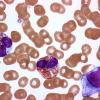
Drug helps people with rare chronic immune disorders
An FDA-approved drug dramatically improved the health of people with rare chronic immune disorders called hypereosinophilic syndromes.

Bioengineered vessels transform into living blood vessels
Bioengineered vessels that were implanted in people to aid with kidney dialysis matured into living blood vessels, showing that they can be integrated into human tissues.

Virus helps bacteria evade immune system
Researchers discovered how a type of virus that infects bacteria can help the bacteria escape the immune system and cause chronic wound infections.

Small molecule targets cause of adult onset muscular dystrophy
Researchers designed a small molecule that, in mice, blocks the mutated RNA responsible for adult onset muscular dystrophy. The findings suggest a new avenue to develop therapeutics.

Primate study shows progress with cryopreserved testicular tissue
A live monkey produced with sperm derived from animals that had not yet undergone puberty is an important step toward offering young cancer patients a chance to have children in the future.

Prescribing healthy foods could bring cost-effective benefits
A sophisticated model estimated that healthy food subsidies could save billions in health care costs and prevent hundreds of thousands of heart disease deaths and diabetes cases.