 An official website of the United States government




September 29, 2026 Edition

News
Antiviral drug did not improve Long COVID symptoms
A clinical trial for Long COVID found that treating patients with a common antiviral drug for up to 25 days did not improve symptoms.

News
tRNA treatment may help restore cystic fibrosis proteins
Lipid nanoparticles delivering engineered transfer RNA restored functional proteins in cell and animal models of cystic fibrosis.

News
Bacterial infection may alter developing gut
C. difficile bacteria caused lasting changes to cells in the intestines of newborn mice.
Displaying 785 - 791 of 912

Spongy stomach sensor that could be swallowed
Engineers designed a sensor-containing device that can quickly inflate with fluid in the stomach and then shrink on demand. The device could make it possible to monitor conditions in the stomach and deliver slow-release drugs.

Blocking DNA repair restores sensitivity of brain tumors to treatment in mice
Researchers found that blocking DNA repair made gliomas, a type of deadly brain tumor, more responsive to radiation therapy in mice. The study suggests possible treatment strategies.
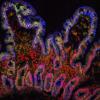
Immune cells in the gut slow metabolism
A type of immune cell found in the mouse gut slows metabolism and raises the risk of diabetes and heart disease. Targeting these cells in people might affect obesity and related diseases.

Intensive blood pressure control may lessen cognitive loss
In a study of older adults with a high risk for heart disease, intensive blood pressure control reduced the risk of developing mild cognitive impairment.

Decoding the variety of human antibodies
Researchers genetically sequenced antibodies in people’s blood and estimated that the body may be able to make up to one quintillion unique antibodies.

Cerebellum connects to brain's reward system
A study in mice found that the brain's cerebellum€”known to play a role in motor coordination€”also helps control the brain's reward circuitry.

Light activity may lower harmful effects of sitting
A study found that even light-intensity movement for 30 minutes a day can reduce the risk of death incurred by sitting.