 An official website of the United States government




September 29, 2026 Edition

News
Antiviral drug did not improve Long COVID symptoms
A clinical trial for Long COVID found that treating patients with a common antiviral drug for up to 25 days did not improve symptoms.

News
tRNA treatment may help restore cystic fibrosis proteins
Lipid nanoparticles delivering engineered transfer RNA restored functional proteins in cell and animal models of cystic fibrosis.

News
Bacterial infection may alter developing gut
C. difficile bacteria caused lasting changes to cells in the intestines of newborn mice.
Displaying 806 - 812 of 912

Detecting prions in eyes
Scientists detected abnormal prion proteins in multiple parts of the eye in people who died from Creutzfeldt-Jakob disease.

Probiotics not helpful for young children with diarrhea
A probiotic treatment did not show any benefit for young children brought to the hospital with acute gastroenteritis, which involves diarrhea and other symptoms.
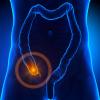
Appendix linked to toxic Parkinson's protein
A study suggests that the toxic protein buildup that's linked to Parkinson's may begin in the appendix.

Building an atlas of brain function in mice
Researchers produced an atlas of brain cells in a region of the mouse hypothalamus that controls key social behaviors.

New antibiotic for gonorrhea advances in trials
A novel antibiotic called zoliflodacin cured most gonorrhea infections in a single dose. The findings pave the way for larger, more definitive trials.

How the brain keeps track of time
Researchers discovered a set of brain cells that keeps track of time in mice. The study suggests that there are separate brain circuits for recording information about time and places.

Method identifies disease-causing bacteria
A sensitive test accurately screened blood samples for the presence of any of the more than 300 bacteria known to cause disease in people.