 An official website of the United States government




September 29, 2026 Edition

News
Antiviral drug did not improve Long COVID symptoms
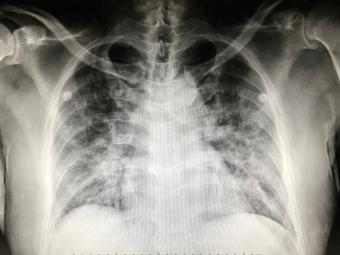
A clinical trial for Long COVID found that treating patients with a common antiviral drug for up to 25 days did not improve symptoms.
News
tRNA treatment may help restore cystic fibrosis proteins
Lipid nanoparticles delivering engineered transfer RNA restored functional proteins in cell and animal models of cystic fibrosis.

News
Bacterial infection may alter developing gut
C. difficile bacteria caused lasting changes to cells in the intestines of newborn mice.
Displaying 680 - 686 of 912

New strategies drive HIV from cellular hiding places
Experimental treatments in animal models of HIV led to the viruses emerging from their hiding places, a first step needed to make HIV vulnerable to the immune system.

How stress causes gray hair
Stress can cause hair to gray prematurely by affecting the stem cells that are responsible for regenerating hair pigment, researchers found.

Drug activates brown fat, improves glucose metabolism in healthy women
In a small study, a drug approved to treat overactive bladder boosted brown fat activity and improved glucose metabolism in healthy women.

Mother's gut microbes may influence offspring's immunity
A study in mice showed how that a mother's gut bacteria can induce antibodies that protect newborns against diarrheal disease.
Predicting Alzheimer's disease progression
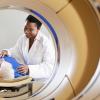
A study suggested that PET imaging of tau tangles in the brain could be a way to track development of Alzheimer's disease, predict loss of brain tissue, and assess new treatments.

Alcohol-related deaths increasing nationwide
An analysis of U.S. death certificate data showed that alcohol-related deaths increased among people in almost all age and racial and ethnic groups between 1999 and 2017.

Exposure to common insecticides associated with risk of death
People with higher exposures to common insecticides called pyrethroids had an increased risk of death in the years following the measurements.