 An official website of the United States government




September 29, 2026 Edition

News
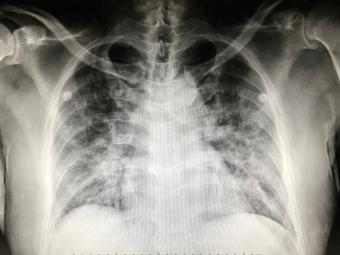
Antiviral drug did not improve Long COVID symptoms
A clinical trial for Long COVID found that treating patients with a common antiviral drug for up to 25 days did not improve symptoms.
News
tRNA treatment may help restore cystic fibrosis proteins
Lipid nanoparticles delivering engineered transfer RNA restored functional proteins in cell and animal models of cystic fibrosis.

News
Bacterial infection may alter developing gut
C. difficile bacteria caused lasting changes to cells in the intestines of newborn mice.
Displaying 708 - 714 of 912

Artificial pancreas improves type 1 diabetes management
An artificial pancreas system improved blood glucose control throughout the day and overnight for people with type 1 diabetes.
Tiny bleeds associated with disability after brain injury
People who had traumatic microbleeds that could be seen on MRI scans were twice as likely to experience disability after a traumatic brain injury.

Bleach inactivates infectious disease found in deer
Household bleach can decontaminate stainless steel surfaces infected with the prions that cause chronic wasting disease. The findings suggest a practical method for decontaminating equipment used for hunting and meat processing.
Emphasizing flavor boosts vegetable consumption
A study found that emphasizing the tasty aspects of healthy foods may do more to boost consumption than promoting their nutritional qualities.
Lower magnetic field broadens MRI applications
Scientists developed a high-performance, low magnetic-field MRI system that could be used for image-guided procedures and other new clinical applications in the future.

Gut microbes affect harmful compound in red meat
Researchers identified an enzyme in gut bacteria that releases an inflammation-causing carbohydrate from meat. The findings suggest strategies to reduce the risk of certain diseases associated with eating red meat.

ALS-related mutations prevent RNA transport in nerves
Researchers discovered that ALS-related mutations prevent RNA transport from the nucleus to other areas of nerve cells. The results suggest an avenue to investigate new treatments for diseases linked to problems with this process.