 An official website of the United States government




September 29, 2026 Edition

News
Antiviral drug did not improve Long COVID symptoms
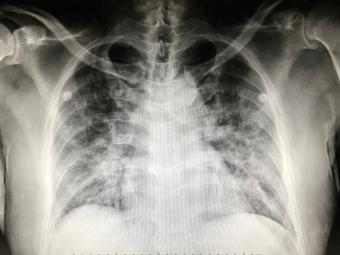
A clinical trial for Long COVID found that treating patients with a common antiviral drug for up to 25 days did not improve symptoms.
News
tRNA treatment may help restore cystic fibrosis proteins
Lipid nanoparticles delivering engineered transfer RNA restored functional proteins in cell and animal models of cystic fibrosis.

News
Bacterial infection may alter developing gut
C. difficile bacteria caused lasting changes to cells in the intestines of newborn mice.
Displaying 715 - 721 of 912

African American children may need different asthma treatments
Results from a study of African American children with poorly controlled asthma contrast with those seen in other populations in previous studies. The findings highlight the importance of including people of diverse ages and races.

Disrupting host protein blocks enterovirus infections in mice
Researchers found a host protein that enteroviruses, which cause many cases of the common cold as well as more serious diseases, need to replicate.

How cancer vesicles breach the blood-brain barrier
Small particles from cancer cells called extracellular vesicles cross the blood-brain barrier to make the brain more hospitable to metastatic tumors.

REM sleep may help the brain forget
Scientists identified neurons in mice that are involved in actively forgetting memories during dream sleep.

Peanut allergy protection limited after oral immunotherapy
After people with peanut allergy received oral immunotherapy to induce tolerance to peanut, most who discontinued or had a reduced dose lost the therapy’s protective effects.

Two commonly used drugs for uveitis perform equally well
The drug methotrexate performed as well as the more expensive mycophenolate mofetil for treating uveitis, a form of eye inflammation. The findings provide new guidance for treatment.

Extending preservation time for donated livers
A new preservation method protected human livers during cooling and kept them healthy for more than 24 hours.