 An official website of the United States government




September 29, 2026 Edition

News
Antiviral drug did not improve Long COVID symptoms
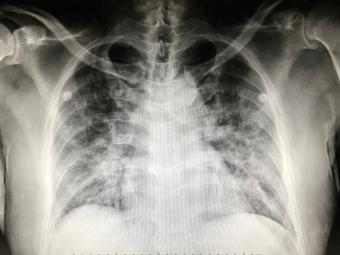
A clinical trial for Long COVID found that treating patients with a common antiviral drug for up to 25 days did not improve symptoms.
News
tRNA treatment may help restore cystic fibrosis proteins
Lipid nanoparticles delivering engineered transfer RNA restored functional proteins in cell and animal models of cystic fibrosis.

News
Bacterial infection may alter developing gut
C. difficile bacteria caused lasting changes to cells in the intestines of newborn mice.
Displaying 729 - 735 of 912

Enterovirus infection linked to acute flaccid myelitis
Evidence of infection with an enterovirus was found in about 80% of people with the rare but serious condition called acute flaccid myelitis.

High sugar intake worsens autoimmune disease in mice
In mouse models of autoimmune disorders, drinking sugary water worsened disease by activating inflammatory immune cells. The findings suggest a low-sugar diet may help prevent or treat autoimmune diseases.

Aspirin use may be widespread despite new guidelines
A study suggests that millions of U.S. adults may take a daily aspirin for cardiovascular disease prevention without any clear benefit.

Compound reduces chronic itch in mice
Researchers identified a compound that can reduce itch in mice by blocking a receptor in the spinal cord. Future studies could lead to a drug for testing in people.

Air pollution associated with increase in NICU admissions
Exposure to air pollution just before birth appeared to increase the odds that an infant would spend time in the neonatal intensive care unit.

Calorie restriction may benefit healthy adults under 50
Restricting calories for two years led to weight loss and a substantial reduction in risk factors for heart disease and diabetes in healthy adults 50 or younger.
Tracking the spread of Parkinson's proteins from gut to brain
Results in mice suggest that finding a way to stop the spread of the protein thought to cause Parkinson's disease from the gut to the brain might help prevent the disease.