 An official website of the United States government




September 29, 2026 Edition

News
Antiviral drug did not improve Long COVID symptoms
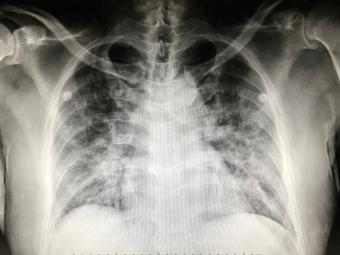
A clinical trial for Long COVID found that treating patients with a common antiviral drug for up to 25 days did not improve symptoms.
News
tRNA treatment may help restore cystic fibrosis proteins
Lipid nanoparticles delivering engineered transfer RNA restored functional proteins in cell and animal models of cystic fibrosis.

News
Bacterial infection may alter developing gut
C. difficile bacteria caused lasting changes to cells in the intestines of newborn mice.
Displaying 722 - 728 of 912

Enzyme active in cancer also protects normal cells
Researchers found that the enzyme telomerase, which is active in most tumor cells, may also protect healthy adult cells from becoming cancerous.

Emergency department closures impact treatment quality nearby
When emergency departments closed, people treated for a heart attack at nearby crowded hospitals had worse outcomes.

Gene identified in people who need little sleep
Scientists identified a gene that causes people to naturally sleep less than six and a half hours each night without any apparent ill effects.

Brain cells underlying stuttering identified in mice
Gene mutations related to human stuttering also caused vocalization defects and a loss of brain cells called astrocytes in mice. The findings reveal insight into the neurological mechanisms.

Air pollution associated with worsening emphysema
Common air pollutants were associated with increases in emphysema over a decade of follow-up. The results may help explain why some people who never smoked develop emphysema.
How brown fat improves metabolism
Researchers gained key insights into brown fat’s effects on the body’s metabolism. The findings reveal targets for developing new treatments for obesity and diabetes.

Enterovirus infection linked to acute flaccid myelitis
Evidence of infection with an enterovirus was found in about 80% of people with the rare but serious condition called acute flaccid myelitis.