 An official website of the United States government




September 29, 2026 Edition
News
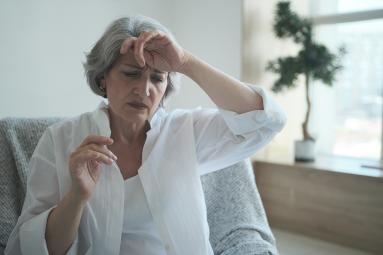
Antiviral drug did not improve Long COVID symptoms
A clinical trial for Long COVID found that treating patients with a common antiviral drug for up to 25 days did not improve symptoms.
News
tRNA treatment may help restore cystic fibrosis proteins
Lipid nanoparticles delivering engineered transfer RNA restored functional proteins in cell and animal models of cystic fibrosis.

News
Bacterial infection may alter developing gut
C. difficile bacteria caused lasting changes to cells in the intestines of newborn mice.
Displaying 652 - 658 of 912

Marker of autoimmunity increases in U.S.
Autoimmunity may be on the rise, based on a study of antinuclear antibodies in blood samples collected nationwide from 1988-2012.

Microneedle coronavirus vaccine triggers immune response in mice
When delivered to mice using microneedles, an experimental vaccine for COVID-19 caused antibody production against the disease within two weeks.

Gene linked to sex differences in autism
Researchers found that a small cluster of mutations in the NLGN4X gene, which has been linked to autism spectrum disorder, may explain the sex differences tied to the gene.

Blocking cellular receptor stops spread of tau in mouse brains
In experiments in cells and mice, blocking a protein called LRP1 stopped both normal and harmful forms of tau, which are involved in dementias, from spreading between neurons.
3D-printed scaffold engineered to grow complex tissues
A new technique to engrave 3D-printed scaffolds could be used to boost the repair of complex tissues with different types of cells, such as bone and cartilage.

Diets improve but remain poor for most U.S. children
Although diet quality improved modestly for American children and adolescents from 1999 to 2016, more than half still had poor quality diets.

Comparing heart disease treatments
For patients with heart disease, invasive procedures showed similar reductions in the risk of heart attack and death to medication and lifestyle changes alone.