 An official website of the United States government




September 29, 2026 Edition

News
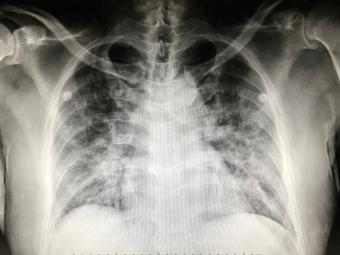
Antiviral drug did not improve Long COVID symptoms
A clinical trial for Long COVID found that treating patients with a common antiviral drug for up to 25 days did not improve symptoms.
News
tRNA treatment may help restore cystic fibrosis proteins
Lipid nanoparticles delivering engineered transfer RNA restored functional proteins in cell and animal models of cystic fibrosis.

News
Bacterial infection may alter developing gut
C. difficile bacteria caused lasting changes to cells in the intestines of newborn mice.
Displaying 624 - 630 of 912

Lower wealth linked with faster physical and mental aging
Older adults with less wealth had sharper declines in many measures of physical and mental health than those with more wealth.

Gut bacteria influence behavior in worms
Specific gut bacteria influenced eating decisions in worms by affecting their response to odors. The findings give insight into one way gut microbes may affect behavior.

Unique genomic features of fatal coronaviruses
A genomic analysis may help explain why some coronaviruses, like SARS-CoV-2, can be deadly, while others cause only mild illness.

Signature of virus exposure may help detect liver cancer
A blood test that measures people’s exposure to different viruses identified those who later developed liver cancer. The test could play an important role in improving outcomes for patients.

Universal mosquito vaccine tested
A small trial showed that a vaccine designed to provide broad protection against mosquito-borne diseases is safe and causes a strong immune response in healthy volunteers.

Gut bacteria may contribute to abnormal blood vessel formation
People with abnormal clusters of blood vessels in the brain called cavernous angiomas had differences in their gut bacteria. The findings could help lead to new diagnostic tests and treatments.

Hairy human skin generated from stem cells
Researchers created hair-growing skin from human stem cells and successfully grafted it to mice.