 An official website of the United States government




September 29, 2026 Edition

News
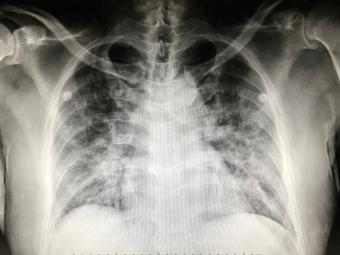
Antiviral drug did not improve Long COVID symptoms
A clinical trial for Long COVID found that treating patients with a common antiviral drug for up to 25 days did not improve symptoms.
News
tRNA treatment may help restore cystic fibrosis proteins
Lipid nanoparticles delivering engineered transfer RNA restored functional proteins in cell and animal models of cystic fibrosis.

News
Bacterial infection may alter developing gut
C. difficile bacteria caused lasting changes to cells in the intestines of newborn mice.
Displaying 673 - 679 of 912

How a marine animal makes unlimited eggs and sperm
Findings in a marine animal called Hydractinia symbiolongicarpus could provide insight into the human reproductive system and the causes of reproductive conditions and diseases.

Test distinguishes Parkinson's disease from related condition
A test that uses samples of cerebrospinal fluid was able to distinguish Parkinson's disease from a related condition called multiple system atrophy with 95% accuracy.

Neurons play role in oral cancer
Scientists discovered a new role for nerves in oral cancer progression, in which tumor cells send genetic messages that transform nerves into cancer-promoting agents.

Neural signature predicts antidepressant response
Researchers identified specific patterns of brain activity that predict whether someone with depression is likely to respond to a common antidepressant.

Low-dose aspirin reduces preterm birth among first-time mothers
In a large trial, daily low-dose aspirin reduced the risk of preterm birth (before 37 weeks) by 11% and early preterm birth (before 34 weeks) by 25% among first-time mothers.

Genes linked to schizophrenia identified in ancestral African population
Researchers found damaging genetic variants linked to schizophrenia in the Xhosa population of South Africa.

Engineered bacteria protect honey bee health
Bacteria naturally found in honey bees were engineered to help bees fight infections that that have been destroying colonies.