 An official website of the United States government




September 29, 2026 Edition

News
Antiviral drug did not improve Long COVID symptoms
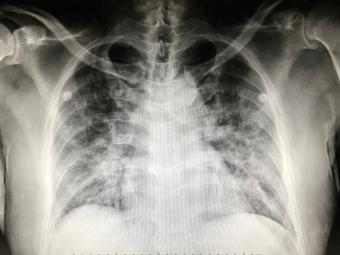
A clinical trial for Long COVID found that treating patients with a common antiviral drug for up to 25 days did not improve symptoms.
News
tRNA treatment may help restore cystic fibrosis proteins
Lipid nanoparticles delivering engineered transfer RNA restored functional proteins in cell and animal models of cystic fibrosis.

News
Bacterial infection may alter developing gut
C. difficile bacteria caused lasting changes to cells in the intestines of newborn mice.
Displaying 547 - 553 of 912

Study reveals how APOE4 gene may increase risk for dementia
Researchers found that the APOE4 gene may increase the risk of developing Alzheimer’s disease and other dementias by altering brain cells’ lipid metabolism.

Cells that maintain and repair the liver identified
Researchers uncovered the roles that different cells in the liver play in organ maintenance and regeneration after injury.

Most COVID-19 hospitalizations due to four conditions
A study estimated that nearly two-thirds of COVID-19 hospitalizations in the U.S. could be attributed to obesity, diabetes, hypertension, and heart failure.

Fruit and vegetable consumption reduce risk of death
Eating more fruits and vegetables, at least five servings per day, was associated with reduced mortality.

Poor air quality across Northeastern public transit systems
Researchers found that fine particulate matter levels in the air of subway systems across the Northeastern U.S exceed air safety standards.

Antibody treatment for MERS coronavirus safe in people
A combination of two monoclonal antibodies prevented and effectively treated Middle East Respiratory Syndrome (MERS) in mice.

SARS-CoV-2 antibodies protect from reinfection
People with SARS-CoV-2 antibodies, a sign of prior infection, were much less likely to test positive for COVID-19 in the following months.