 An official website of the United States government




September 29, 2026 Edition

News
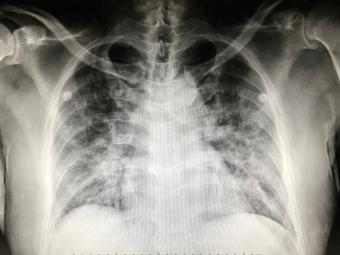
Antiviral drug did not improve Long COVID symptoms
A clinical trial for Long COVID found that treating patients with a common antiviral drug for up to 25 days did not improve symptoms.
News
tRNA treatment may help restore cystic fibrosis proteins
Lipid nanoparticles delivering engineered transfer RNA restored functional proteins in cell and animal models of cystic fibrosis.

News
Bacterial infection may alter developing gut
C. difficile bacteria caused lasting changes to cells in the intestines of newborn mice.
Displaying 575 - 581 of 912

Understanding "exceptional responders" to cancer treatment
Molecular changes in the tumors of patients who are exceptional responders to cancer treatments may suggest personalized treatment approaches for cancer patients.

Hormone suppresses hunger in primates and people
A hormone called LCN2 suppressed hunger after eating, researchers found, and levels were depressed in people with obesity.

Molecule guides stem cells to damaged brain tissue
Scientists altered a molecule that is naturally produced by the body to safely guide stem cells to damaged brain tissue in mice.

Hydroxychloroquine doesn't benefit hospitalized COVID-19 patients
In a final analysis of study data, researchers concluded that the medication hydroxychloroquine provides no benefit to adults hospitalized with COVID-19.

Life support machine helps cardiac arrest patients survive
Using a life support machine called ECMO shortly after cardiac arrest outside of a hospital improved patients’ chances of survival.

Immune cells trained in the gut protect the brain
Researchers found that the brain’s protective membranes are guarded against microbes by immune cells that are trained in the gut.

Postpartum depression may last for years
About 5% of women reported persistently high levels of postpartum depression symptoms for three years after giving birth.