 An official website of the United States government




September 29, 2026 Edition

News
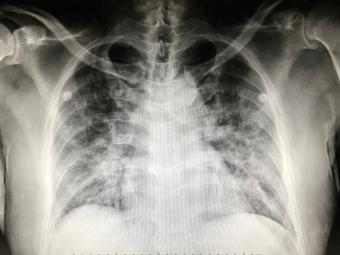
Antiviral drug did not improve Long COVID symptoms
A clinical trial for Long COVID found that treating patients with a common antiviral drug for up to 25 days did not improve symptoms.
News
tRNA treatment may help restore cystic fibrosis proteins
Lipid nanoparticles delivering engineered transfer RNA restored functional proteins in cell and animal models of cystic fibrosis.

News
Bacterial infection may alter developing gut
C. difficile bacteria caused lasting changes to cells in the intestines of newborn mice.
Displaying 533 - 539 of 912

Tracking hallucinations in mice
After developing a method to detect hallucination-like events in mice, researchers demonstrated a link in the brain between hallucinations and elevated dopamine.

Study finds link between red hair and pain threshold
A study in mice revealed the mechanisms that may link red hair with greater pain tolerance.

Supplement targets gut microbes to boost growth in malnourished children
Malnourished children who received a food supplement designed to boost normal gut microbes gained more weight than those given a standard nutritional supplement.

"Sweat sticker" for diagnosing cystic fibrosis
Researchers created a "sweat sticker" for measuring chloride concentrations in sweat, a sign of cystic fibrosis.

How stress causes hair loss
Researchers found that a stress hormone impairs stem cells necessary for hair growth in mice. The findings suggest potential ways to treat hair loss caused by chronic stress.

Immune response to vaccination after COVID-19
After a single dose of the Pfizer-BioNTech vaccine, people with a prior COVID-19 infection had antibody levels similar to those of people without prior infection after two vaccine doses.

Nanoparticle-based flu vaccine
A nanoparticle-based vaccine protected against a broad range of flu virus strains in animals. The vaccine may prevent flu more effectively than current vaccines.