 An official website of the United States government




September 29, 2026 Edition

News
Antiviral drug did not improve Long COVID symptoms
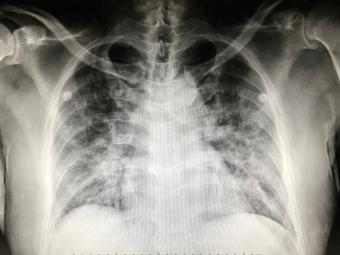
A clinical trial for Long COVID found that treating patients with a common antiviral drug for up to 25 days did not improve symptoms.
News
tRNA treatment may help restore cystic fibrosis proteins
Lipid nanoparticles delivering engineered transfer RNA restored functional proteins in cell and animal models of cystic fibrosis.

News
Bacterial infection may alter developing gut
C. difficile bacteria caused lasting changes to cells in the intestines of newborn mice.
Displaying 512 - 518 of 912

Fixing the sickle cell disease gene
Researchers treated sickle cell disease in mice by directly editing the defective hemoglobin gene that causes the disease.

How short breaks help the brain learn new skills
Researchers discovered that the awake resting brain repeatedly replays compressed memories of a new skill being learned.

Potential oral treatment for COVID-19 identified
Researchers found that a drug called TEMPOL can shut down a key enzyme that the SARS-CoV-2 virus needs to copy itself.

Study reveals brain cells that sustain or suppress fearful memories
Researchers identified clusters of brain cells that compete to promote either the persistence or disappearance of fearful memories.

How COVID-19 variants evade immune response
Research revealed how certain mutations in circulating SARS-CoV-2 variants allow the virus to avoid neutralization by many antibodies.

Rehab program helps frail older adults with heart failure
Older, frail adults with heart failure who participated in a personalized physical rehab program improved their endurance, strength, balance, and quality of life.

Airway-on-a-chip screens drugs for use against COVID-19
Researchers used an airway-on-a-chip that mimics living lung tissue to screen approved drugs for use against SARS-CoV-2.