 An official website of the United States government




September 29, 2026 Edition

News
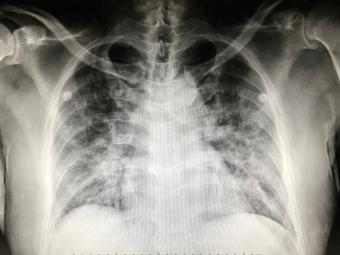
Antiviral drug did not improve Long COVID symptoms
A clinical trial for Long COVID found that treating patients with a common antiviral drug for up to 25 days did not improve symptoms.
News
tRNA treatment may help restore cystic fibrosis proteins
Lipid nanoparticles delivering engineered transfer RNA restored functional proteins in cell and animal models of cystic fibrosis.

News
Bacterial infection may alter developing gut
C. difficile bacteria caused lasting changes to cells in the intestines of newborn mice.
Displaying 484 - 490 of 912

A cellular map of brain lesions in multiple sclerosis
Researchers created a detailed map of cells in the expanding lesions involved in more disabling forms of multiple sclerosis.

Opioid overdose deaths rise among Black Americans
While opioid overdose deaths remained flat overall between 2018 and 2019, they rose sharply for Black Americans.

Drugs treat spinal disc degeneration in mice
Scientists reduced age-related disc degeneration in mice using an experimental drug combination that targets aging cells.

Genomic origins of lung cancer in never smokers
Researchers identified three subtypes of lung cancers in people who never smoked. The results could help guide more precise lung cancer treatments.

Parents' smoking during childhood linked to rheumatoid arthritis later in life
A study found that girls whose parents smoked cigarettes were 75% more likely to develop rheumatoid arthritis as adults.

Misdirected antibodies linked to severe COVID-19
Antibodies that mistakenly target the body’s own immune-system proteins may account for about 20% of COVID-19 deaths.

Hormone links exercise with cognitive benefits
Researchers found that irisin, an exercise-induced hormone, improves cognitive performance in mice.