 An official website of the United States government




September 29, 2026 Edition

News
Antiviral drug did not improve Long COVID symptoms
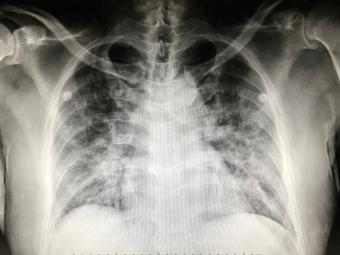
A clinical trial for Long COVID found that treating patients with a common antiviral drug for up to 25 days did not improve symptoms.
News
tRNA treatment may help restore cystic fibrosis proteins
Lipid nanoparticles delivering engineered transfer RNA restored functional proteins in cell and animal models of cystic fibrosis.

News
Bacterial infection may alter developing gut
C. difficile bacteria caused lasting changes to cells in the intestines of newborn mice.
Displaying 477 - 483 of 912

Understanding SARS-CoV-2 antibody binding
Researchers mapped where various antibodies bind to the SARS-CoV-2 spike protein. The results could lead to more effective COVID-19 therapies.

Repeats in the genetic code underlie some human variation
Researchers found that differences in repeats of DNA explain substantial variations in height, kidney function, hair curl, and blood lipids.

Test may help reduce racial disparities in kidney disease
Researchers found that measuring levels of a protein called cystatin C can accurately estimate kidney function without needing to take race into account.

Trends in U.S. methamphetamine use and associated deaths
Researchers found that risky patterns of methamphetamine use and the diversity of people who used methamphetamine increased between 2015 and 2019.

Moderna COVID-19 vaccine generates long-lasting immune memory
People who received low doses of the Moderna COVID-19 vaccine had strong immune memories of the virus six months after being fully vaccinated.

Critical time window for rehabilitation after a stroke
Researchers found that intensive therapy, added to standard rehabilitation, produces the greatest improvement when administered 2-3 months after a stroke.

A cellular map of brain lesions in multiple sclerosis
Researchers created a detailed map of cells in the expanding lesions involved in more disabling forms of multiple sclerosis.