 An official website of the United States government




September 29, 2026 Edition

News
Antiviral drug did not improve Long COVID symptoms
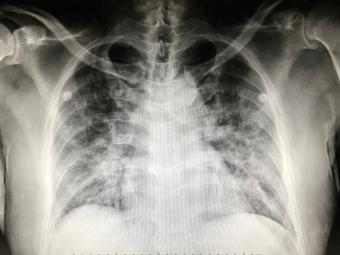
A clinical trial for Long COVID found that treating patients with a common antiviral drug for up to 25 days did not improve symptoms.
News
tRNA treatment may help restore cystic fibrosis proteins
Lipid nanoparticles delivering engineered transfer RNA restored functional proteins in cell and animal models of cystic fibrosis.

News
Bacterial infection may alter developing gut
C. difficile bacteria caused lasting changes to cells in the intestines of newborn mice.
Displaying 470 - 476 of 912

Retraining the brain to treat chronic pain
After a treatment called pain reprocessing therapy, two-thirds of people with mild or moderate chronic back pain reported being mostly or completely pain-free.

Moderna COVID-19 booster may protect against variants
A booster of the Moderna COVID-19 vaccine increased levels of neutralizing antibodies against all variants of concern in a primate study.

A targeted antibiotic for treating Lyme disease
Researchers found that a neglected antibiotic called hygromycin A selectively kills the bacteria that cause Lyme disease.

Common drug may have potential for treating Alzheimer's disease
Findings in mice and people suggest that an FDA-approved drug used for high blood pressure and swelling may alleviate symptoms of Alzheimer's disease.

Robotic massage helps regenerate muscles in mice
Researchers found that a type of massage therapy helped heal severely injured muscles in mice by clearing immune cells from the tissue.

Mapping the mammalian motor cortex
Researchers unveiled an atlas of cell types for the mammalian primary motor cortex, providing a roadmap for understanding the mammalian brain.

Escaping stem cells play role in hair loss
Researchers observed stem cells responsible for hair growth escaping from hair follicles in aging mice.