 An official website of the United States government




September 29, 2026 Edition

News
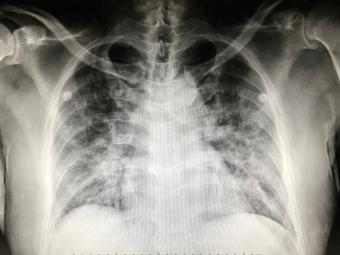
Antiviral drug did not improve Long COVID symptoms
A clinical trial for Long COVID found that treating patients with a common antiviral drug for up to 25 days did not improve symptoms.
News
tRNA treatment may help restore cystic fibrosis proteins
Lipid nanoparticles delivering engineered transfer RNA restored functional proteins in cell and animal models of cystic fibrosis.

News
Bacterial infection may alter developing gut
C. difficile bacteria caused lasting changes to cells in the intestines of newborn mice.
Displaying 505 - 511 of 912

Diet may affect risk of sudden cardiac death
A study found that a diet high in added fats, fried foods, processed meats, and sugary drinks was associated with a greater risk of sudden cardiac death, while a Mediterranean diet was associated with a lower risk.

Making a wireless, biodegradable pacemaker
Researchers developed a temporary pacemaker that is powered wirelessly and breaks down harmlessly in the body after use.

Few are prescribed medications to treat alcohol problems
Medications to treat alcohol use disorder, although effective, are only being used to treat 1.6% of people with the disorder, according to a new study.

Malaria vaccines provide strong and lasting immunity
Researchers developed a malaria vaccination strategy that provided broad, long-lasting protection in controlled clinical trials.

Testing a blood biomarker for neurodegeneration
A biomarker in blood could identify the presence of neurodegeneration in people with cognitive impairment.

Diabetes control worsened over the past decade
A study found that control over blood sugar and blood pressure has declined among people with diabetes after years of progress.

Single-shot COVID-19 vaccine produces immune response against variants
The immune response to the single-shot Janssen/Johnson & Johnson COVID-19 vaccine remained robust against variants of SARS-CoV-2.