 An official website of the United States government




September 29, 2026 Edition

News
Antiviral drug did not improve Long COVID symptoms
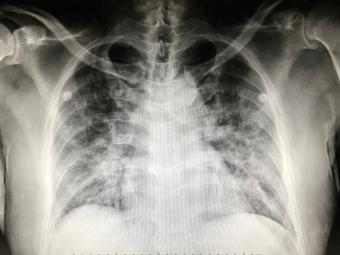
A clinical trial for Long COVID found that treating patients with a common antiviral drug for up to 25 days did not improve symptoms.
News
tRNA treatment may help restore cystic fibrosis proteins
Lipid nanoparticles delivering engineered transfer RNA restored functional proteins in cell and animal models of cystic fibrosis.

News
Bacterial infection may alter developing gut
C. difficile bacteria caused lasting changes to cells in the intestines of newborn mice.
Displaying 358 - 364 of 912

Alzheimer's tied to cholesterol, abnormal nerve insulation
Researchers found evidence that the Alzheimer's-related gene APOE4 disrupts cholesterol management in the brain and weakens insulation around nerve fibers.

Ancient viral DNA may help humans fight infections
Researchers found that stretches of viral DNA long embedded in the human genome can produce proteins that help block infection by viruses.

COVID-19 disrupts gut microbiome
Researchers found that COVID-19 disrupts the gut microbiome and gut lining, allowing pathogenic bacteria to thrive and enter the bloodstream.

Immune cells control waste clearance in the brain
Scientists identified a type of immune cell that helps clear waste products in the brain, suggesting new strategies for preventing and treating Alzheimer’s disease and related disorders.

E-cigarettes linked with blood vessel damage
Both cigarette smokers and e-cigarette users had impaired blood vessel function and increased, but different, signs of inflammation.

How the Black Death shaped human evolution
Genetic variants that helped the immune system fight the Black Death may have had the side effect of increasing susceptibility to autoimmune diseases.

Structure of hepatitis C proteins reveals viral vulnerabilities
The structure of key hepatitis C virus proteins provides new insights into how the virus invades cells and could inform development of vaccines or antiviral therapies.