 An official website of the United States government




September 29, 2026 Edition

News
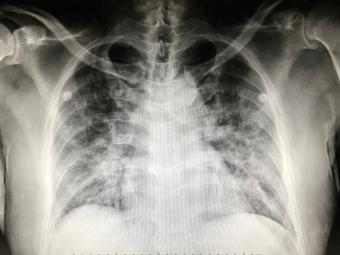
Antiviral drug did not improve Long COVID symptoms
A clinical trial for Long COVID found that treating patients with a common antiviral drug for up to 25 days did not improve symptoms.
News
tRNA treatment may help restore cystic fibrosis proteins
Lipid nanoparticles delivering engineered transfer RNA restored functional proteins in cell and animal models of cystic fibrosis.

News
Bacterial infection may alter developing gut
C. difficile bacteria caused lasting changes to cells in the intestines of newborn mice.
Displaying 386 - 392 of 912

Racial segregation makes consequences of lead exposure worse
Racial segregation and lead exposure amplified each other’s detrimental effects on reading scores in children.

Measuring placental health noninvasively
An experimental system used laser light and ultrasound to measure changes in oxygen levels in the placenta.

Children's sleep linked to brain development
Pre-teens who slept less than nine hours daily had differences in brain structure and more problems with mood and thinking compared to those who got sufficient sleep.

Customized drug to kill brain cancer cells
Researchers designed a new type of drug that causes lethal DNA damage in a type of brain cancer called glioblastoma, but not in normal cells.

Antibody treatment protects adults against malaria
A single low dose of an experimental monoclonal antibody safely and effectively prevented malaria infection in a small clinical trial.

Learning to control microglia using CRISPR
Researchers used CRISPR tools to identify genes controlling cells in the brain called microglia, which are involved in Alzheimer’s disease and other brain disorders.

Restoring cell and organ function after the heart stops
Researchers restored cellular function in a pig’s organs more than an hour after its heart stopped.