 An official website of the United States government




September 29, 2026 Edition

News
Antiviral drug did not improve Long COVID symptoms
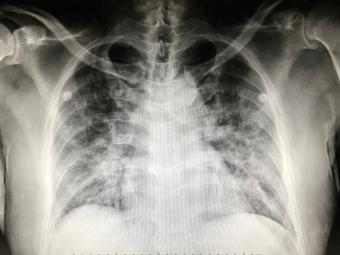
A clinical trial for Long COVID found that treating patients with a common antiviral drug for up to 25 days did not improve symptoms.
News
tRNA treatment may help restore cystic fibrosis proteins
Lipid nanoparticles delivering engineered transfer RNA restored functional proteins in cell and animal models of cystic fibrosis.

News
Bacterial infection may alter developing gut
C. difficile bacteria caused lasting changes to cells in the intestines of newborn mice.
Displaying 414 - 420 of 912

Study links synthetic chemicals to liver damage
A review of more than one hundred studies found that PFAS, synthetic chemicals found in many common products, are linked to markers of liver damage.

Intranasal proteins could protect against COVID-19 variants
Proteins designed to be resistant to new SARS-CoV-2 variants protected mice against infection when given through the nose.

How breathing activates lung defenses against viruses
Researchers used advanced tissue chip technology to learn how the physical forces of breathing help boost immunity in lung tissue.

Blood marker shows potential for tracking frontotemporal dementia
Blood levels of a protein called NfL could help identify people with a brain disease called frontotemporal dementia, or FTD, even in its early stages.

Treatment for macular edema has long-lasting gains
A treatment for macular edema due to retinal vein occlusion yielded vision gains for at least five years, although many patients required ongoing treatment.

Viruses in the gut influence inflammatory bowel disease
Viruses isolated from people with inflammatory bowel disease, or IBD, triggered inflammation in human cells and mice, while those from non-diseased guts didn’t.

Obesity alters response to anti-inflammatory treatment
A treatment for severe skin inflammation that works well in lean mice made the condition worse in obese mice because of immune-cell changes associated with obesity.