 An official website of the United States government




September 29, 2026 Edition

News
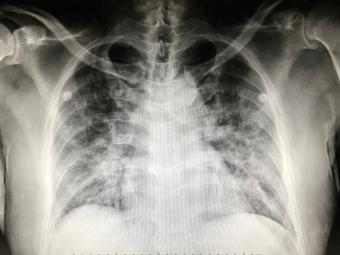
Antiviral drug did not improve Long COVID symptoms
A clinical trial for Long COVID found that treating patients with a common antiviral drug for up to 25 days did not improve symptoms.
News
tRNA treatment may help restore cystic fibrosis proteins
Lipid nanoparticles delivering engineered transfer RNA restored functional proteins in cell and animal models of cystic fibrosis.

News
Bacterial infection may alter developing gut
C. difficile bacteria caused lasting changes to cells in the intestines of newborn mice.
Displaying 407 - 413 of 912

T cells protect against COVID-19 in absence of antibody response
In studies of mice, immune cells called T cells protected animals against COVID-19 even in the absence of antibodies targeting the SARS-CoV-2 virus.

How mosquitoes distinguish people from animals
Scientists found that human and animal odors evoke activity in different areas of the mosquito brain.

Role of brain development in hereditary autism spectrum disorder
Autistic traits in older siblings correlated with changes to visual processing areas in the brains of younger siblings who later developed autism spectrum disorder.

Health benefits of dietary fibers vary
Different dietary fiber supplements were associated with different health benefits, such as decreased cholesterol and increased numbers of beneficial bacteria.

Antioxidant effects on dementia risk may differ
Higher blood levels of some antioxidants, but not others, were associated with a reduced risk of developing Alzheimer’s disease or other dementias.

How the nervous system perceives pleasant touch
Researchers identified a signaling pathway in the spine that’s needed for the nervous system to process the sensation of pleasant touch.

Study links synthetic chemicals to liver damage
A review of more than one hundred studies found that PFAS, synthetic chemicals found in many common products, are linked to markers of liver damage.