 An official website of the United States government




September 29, 2026 Edition

News
Antiviral drug did not improve Long COVID symptoms
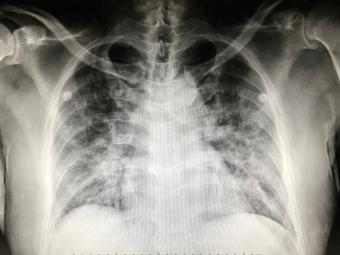
A clinical trial for Long COVID found that treating patients with a common antiviral drug for up to 25 days did not improve symptoms.
News
tRNA treatment may help restore cystic fibrosis proteins
Lipid nanoparticles delivering engineered transfer RNA restored functional proteins in cell and animal models of cystic fibrosis.

News
Bacterial infection may alter developing gut
C. difficile bacteria caused lasting changes to cells in the intestines of newborn mice.
Displaying 428 - 434 of 912

Mandatory masking in schools reduced COVID-19 cases
Schools with mandatory masking during the Delta surge had less in-school transmission of SARS-CoV-2 than schools with optional or partial masking policies.

Blocking hormone improves Alzheimer's symptoms in mice
Researchers found that a hormone called FSH can act on neurons in the brain and increase the production of proteins implicated in Alzheimer's disease.

Medication helps protect insulin production in type 1 diabetes
A drug approved to treat high blood pressure, called verapamil, protected insulin-producing cells in the pancreas in people with type 1 diabetes.

Imaging technique shows Alzheimer's impact on brain connections
A new imaging technique found that fewer connections between brain cells were associated with the cognitive decline seen in people with early-stage Alzheimer's disease.

How proteins connect common neurodegenerative diseases
Scientists discovered how a mislocated protein implicated in several neurodegenerative diseases affects another protein that’s needed for normal nerve cell functioning.

Vaping alters mouth microbes
People who used electronic cigarettes had unique microbial communities in their mouths that more closely resembled those of smokers than of nonsmokers.
How skin cells help fight acne
A type of skin cell called a dermal fibroblast can make an antimicrobial compound called cathelicidin in response to infection by acne-causing bacteria.