 An official website of the United States government




September 29, 2026 Edition

News
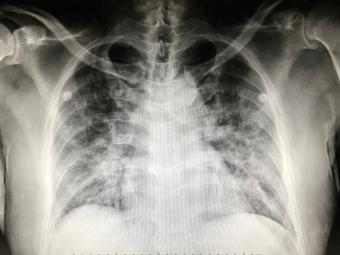
Antiviral drug did not improve Long COVID symptoms
A clinical trial for Long COVID found that treating patients with a common antiviral drug for up to 25 days did not improve symptoms.
News
tRNA treatment may help restore cystic fibrosis proteins
Lipid nanoparticles delivering engineered transfer RNA restored functional proteins in cell and animal models of cystic fibrosis.

News
Bacterial infection may alter developing gut
C. difficile bacteria caused lasting changes to cells in the intestines of newborn mice.
Displaying 365 - 371 of 912

Experimental cat allergy shots provide longer-lasting relief
An experimental approach that combines cat allergy shots with a monoclonal antibody led to more effective relief that continued a year after treatment ended.

How timing of eating affects metabolism and weight gain
A study in mice found that eating burns more energy when restricted to certain times of the day.

Skin compounds associated with attractiveness to mosquitoes
People with higher levels of compounds called carboxylic acids on their skin were more attractive to mosquitoes, and remained so for years.

"Slow" vaccine delivery improves immune response to HIV
An experimental HIV vaccine, delivered as increasing doses over several days, led to long-lasting and diverse antibody production in monkeys.

Potential contributor to sex differences in Alzheimer's risk
An enzyme that is more abundant in women contributes to the buildup of tau tangles in the brain, a hallmark of Alzheimer's disease.

Robotic exoskeleton helps people walk
Researchers created a robotic leg exoskeleton that provides personalized walking assistance under real-world conditions.

Compounds block pain without sedation in mice
Researchers identified several compounds that activate a specific pain-blunting receptor on cells.