 An official website of the United States government




September 29, 2026 Edition

News
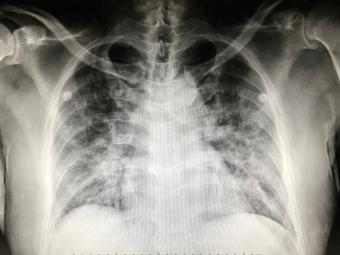
Antiviral drug did not improve Long COVID symptoms
A clinical trial for Long COVID found that treating patients with a common antiviral drug for up to 25 days did not improve symptoms.
News
tRNA treatment may help restore cystic fibrosis proteins
Lipid nanoparticles delivering engineered transfer RNA restored functional proteins in cell and animal models of cystic fibrosis.

News
Bacterial infection may alter developing gut
C. difficile bacteria caused lasting changes to cells in the intestines of newborn mice.
Displaying 351 - 357 of 912

2022 Research Highlights - Human Health Advances
NIH accomplishments in disease prevention, diagnosis, and treatment include insights into Covid-19 vaccines, advances for type 1 diabetes, and a robotic exoskeleton that helps people walk.

2022 Research Highlights - Basic Research Insights
Noteworthy NIH advances in basic research include progress in understanding and treating Alzheimer's disease, discoveries about how the microbiome affects human health, and learning how mosquitos find us.

Progress toward an eventual HIV vaccine
An experimental HIV vaccine elicited broadly neutralizing antibody precursors in people and may lead to an effective vaccine strategy for HIV.

Smart bandage improves wound healing in mice
A smart bandage used wireless power to protect and monitor wounds, provide feedback on tissue health, and encourage healing using electrical current.

Machine learning approach detects brain tumor boundaries
Data from thousands of patients with glioblastoma worldwide were used to develop an accurate model for detecting tumor boundaries.

Using mRNA technology for a universal flu vaccine
A vaccine using mRNA technology induced an immune response in mice and ferrets against a broad range of different influenza types.

Racial residential segregation and airborne toxic metals
Air pollution in racially segregated communities contained more toxic metals than in well-integrated communities.