 An official website of the United States government




September 29, 2026 Edition

News
Antiviral drug did not improve Long COVID symptoms
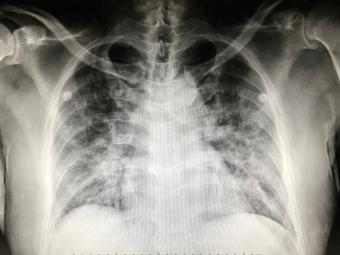
A clinical trial for Long COVID found that treating patients with a common antiviral drug for up to 25 days did not improve symptoms.
News
tRNA treatment may help restore cystic fibrosis proteins
Lipid nanoparticles delivering engineered transfer RNA restored functional proteins in cell and animal models of cystic fibrosis.

News
Bacterial infection may alter developing gut
C. difficile bacteria caused lasting changes to cells in the intestines of newborn mice.
Displaying 330 - 336 of 912

How psychedelic drugs may help with depression
Psychedelic drugs being tested as therapies for treatment-resistant depression activate receptors within brain cells that promote new brain cell connections.

Erythritol and cardiovascular events
Higher blood levels of the artificial sweetener erythritol were associated with increased risk of heart attack and stroke.

Spinal cord stimulation improves arm, hand movements after stroke
A device that stimulates the spinal cord restored arm and hand movement in two stroke patients and allowed them to perform daily activities.

Inhalable hydrogel protects lungs from SARS-CoV-2
An inhalable gel protected animal lungs from viral infections. With further development, it could provide protection against COVID-19 and other ailments.

Identifying potential treatments for ALS
Researchers identified two different proteins that, when suppressed, reduced the neuronal damage caused by ALS.

Lowering the risk of mother's sepsis or death after childbirth
A single oral dose of a common antibiotic may have the potential to significantly reduce maternal infections and deaths in developing countries.

Male contraceptive disables sperm
A compound temporarily disabled mouse and human sperm. It also prevented pregnancies in mice.