 An official website of the United States government




September 29, 2026 Edition

News
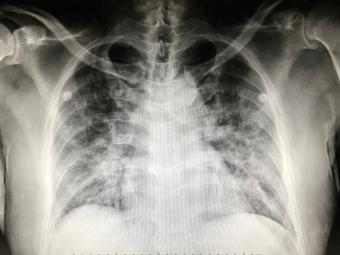
Antiviral drug did not improve Long COVID symptoms
A clinical trial for Long COVID found that treating patients with a common antiviral drug for up to 25 days did not improve symptoms.
News
tRNA treatment may help restore cystic fibrosis proteins
Lipid nanoparticles delivering engineered transfer RNA restored functional proteins in cell and animal models of cystic fibrosis.

News
Bacterial infection may alter developing gut
C. difficile bacteria caused lasting changes to cells in the intestines of newborn mice.
Displaying 302 - 308 of 912

Toward a deeper understanding of long COVID
Researchers developed a symptom scoring system to help identify adults who may have long COVID.

Brain activity predicts chronic pain
In a small study of four people, researchers identified brain activity patterns associated with chronic pain.

Quick catnaps may spark creativity
Researchers found evidence that the brief period when drifting off to sleep may be a sweet spot for dreams that facilitate creative thinking and problem solving.

Long telomeres may heighten cancer risks
People with mutations that lead to excessively long chromosome tips, or telomeres, may be at increased risk for a range of cancers.

An mRNA vaccine to treat pancreatic cancer
A personalized mRNA vaccine against pancreatic cancer created a strong anti-tumor immune response in half the participants in a small study.

Human pangenome boosts accuracy and reflects diversity
Researchers compiled a set of reference human genome sequences—a “pangenome”—that represents human genetic diversity better than any single genome.

Earlier smoking cessation may improve lung cancer survival
Lung cancer patients who quit smoking before diagnosis had significantly better survival rates than smokers—and the longer without smoking, the better the odds of survival.