 An official website of the United States government




September 29, 2026 Edition

News
Antiviral drug did not improve Long COVID symptoms
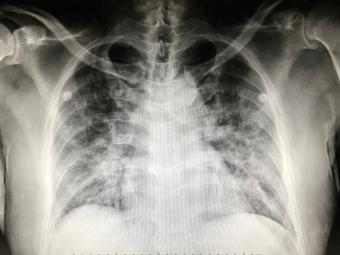
A clinical trial for Long COVID found that treating patients with a common antiviral drug for up to 25 days did not improve symptoms.
News
tRNA treatment may help restore cystic fibrosis proteins
Lipid nanoparticles delivering engineered transfer RNA restored functional proteins in cell and animal models of cystic fibrosis.

News
Bacterial infection may alter developing gut
C. difficile bacteria caused lasting changes to cells in the intestines of newborn mice.
Displaying 295 - 301 of 912

Screening newborns for deadly immune disorder saves lives
Newborn screening for severe combined immunodeficiency (SCID) led to prompt treatment before life-threatening infections occurred.

Novel vaccines may help quell polio outbreaks
An international research team developed two oral polio vaccines that protect mice and avoid some concerns with the current vaccines.

Identifying a new contributor to tooth decay
A type of bacteria called Selenomonas sputigena helps another contributor to tooth decay to form biofilms and produce damaging acid.

Lack of buprenorphine access for adolescents in residential facilities
Only 1 in 4 residential facilities that treat adolescents in the U.S. for opioid use disorder offer buprenorphine, the sole approved medication for 16- to 18-year-olds.

Designing a SARS-CoV-2 decoy
A molecular decoy that neutralizes the SARS-CoV-2 virus by preventing it from latching onto cells protected mice against COVID-19.

Daily multivitamin may enhance memory in older adults
A large clinical trial found that daily multivitamins led to modest improvements in memory over a three-year period in older adults.

A cellular and molecular understanding of psoriasis
Researchers gained new insights into the cellular and molecular features of psoriasis, an inflammatory skin disease.