 An official website of the United States government




September 29, 2026 Edition

News
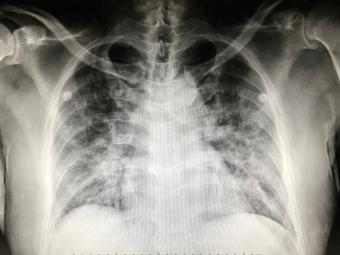
Antiviral drug did not improve Long COVID symptoms
A clinical trial for Long COVID found that treating patients with a common antiviral drug for up to 25 days did not improve symptoms.
News
tRNA treatment may help restore cystic fibrosis proteins
Lipid nanoparticles delivering engineered transfer RNA restored functional proteins in cell and animal models of cystic fibrosis.

News
Bacterial infection may alter developing gut
C. difficile bacteria caused lasting changes to cells in the intestines of newborn mice.
Displaying 274 - 280 of 912

Biomarker tracks recovery from depression
Researchers identified a unique pattern of brain activity, a “biomarker,” that can detect a patient’s response to deep-brain stimulation for treating severe depression.

Immune response to eating chitin linked to better health
Eating a type of dietary fiber called chitin evoked an immune response in mice that was linked to better metabolic health.

Touch-sensing protein plays role in sexual response
A protein called PIEZO2, which helps the body to sense light touch, appears to be involved in normal genital sensitivity.

Tiny implanted devices give insights for treating brain tumors
A tiny device implanted during brain surgery could help provide personalized information about a tumor’s potential responses to cancer-fighting drugs.

Cold virus may set the stage for Long COVID
Prior infection with a common cold coronavirus may predispose some people to develop Long COVID.

A potential blood test for Parkinson's disease
A blood test that measures damage to cells' mitochondria was able to distinguish people with Parkinson's disease from those without.

Advancing molecular insights into cancer
A resource built with genomic, proteomic, and clinical data from more than 1,000 tumors across 10 cancer types can help researchers uncover new molecular insights into how cancers develop and progress.