 An official website of the United States government




September 29, 2026 Edition

News
Antiviral drug did not improve Long COVID symptoms
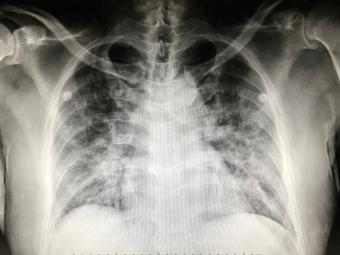
A clinical trial for Long COVID found that treating patients with a common antiviral drug for up to 25 days did not improve symptoms.
News
tRNA treatment may help restore cystic fibrosis proteins
Lipid nanoparticles delivering engineered transfer RNA restored functional proteins in cell and animal models of cystic fibrosis.

News
Bacterial infection may alter developing gut
C. difficile bacteria caused lasting changes to cells in the intestines of newborn mice.
Displaying 337 - 343 of 912

Lowering the risk of mother's sepsis or death after childbirth
A single oral dose of a common antibiotic may have the potential to significantly reduce maternal infections and deaths in developing countries.

Links found between viruses and neurodegenerative diseases
Researchers found associations between certain viral illnesses and the risk of Alzheimer’s and other neurodegenerative diseases.

VEXAS syndrome more common than realized
A severe inflammatory disease called VEXAS is more prevalent and has a broader range of symptoms than expected.

Engineering skin grafts for complex body parts
Scientists successfully grew new skin in the shape of a human hand that was also stronger than standard engineered skin grafts.

Bivalent boosters provide better protection against severe COVID-19
Bivalent booster vaccines against SARS-CoV-2 were 37% more effective than older booster shots at reducing the risk of severe COVID-19.

Probiotic blocks staph bacteria from colonizing people
A probiotic reduced the amount of Staphylococcus aureus, or “staph,” bacteria in the human gut and nose without harming beneficial gut microbes.

Comparing heart failure drugs
A comparison of two diuretic drugs used to treat heart failure suggested either could be used to treat people hospitalized with heart failure.