 An official website of the United States government




September 29, 2026 Edition

News
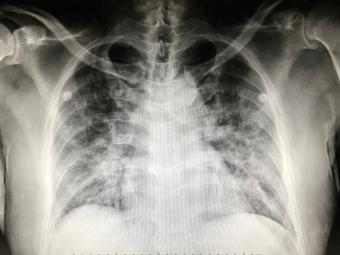
Antiviral drug did not improve Long COVID symptoms
A clinical trial for Long COVID found that treating patients with a common antiviral drug for up to 25 days did not improve symptoms.
News
tRNA treatment may help restore cystic fibrosis proteins
Lipid nanoparticles delivering engineered transfer RNA restored functional proteins in cell and animal models of cystic fibrosis.

News
Bacterial infection may alter developing gut
C. difficile bacteria caused lasting changes to cells in the intestines of newborn mice.
Displaying 155 - 161 of 912

Mapping how cancers form and spread
3D maps of cancer produced by an NIH initiative provide critical information on how tumors develop, spread, and respond to treatments.

Weight-loss surgery has lasting benefits in teens
Teens who had bariatric surgery to treat severe obesity had sustained weight loss a decade later and fewer obesity-related health problems.

Early-life sugar intake affects chronic disease risk
Low sugar exposure in utero and in the first two years of life was associated with lower risks of diabetes and high blood pressure.

Assessing ways to gauge aging status
Researchers found that grip strength, knee strength, and balance—especially the ability to stand on just one leg—decline significantly in the decades after age 50.

Study of H5N1 from an infected person
An H5N1 flu virus isolated from an infected farm worker could transmit through airborne droplets and was lethal in mice and ferrets.

Implantable device reverses opioid overdose in animals
An implantable device detected opioid overdose and automatically administered naloxone, saving lives in rat and pig models.

Atlas of Alzheimer's disease progression
An atlas of cellular changes in the brain during Alzheimer's disease revealed two distinct phases of disease progression.