 An official website of the United States government




September 29, 2026 Edition

News
Antiviral drug did not improve Long COVID symptoms
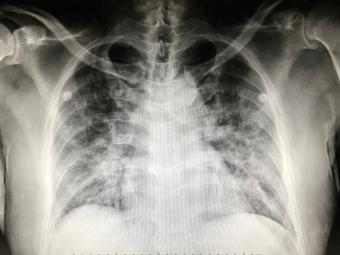
A clinical trial for Long COVID found that treating patients with a common antiviral drug for up to 25 days did not improve symptoms.
News
tRNA treatment may help restore cystic fibrosis proteins
Lipid nanoparticles delivering engineered transfer RNA restored functional proteins in cell and animal models of cystic fibrosis.

News
Bacterial infection may alter developing gut
C. difficile bacteria caused lasting changes to cells in the intestines of newborn mice.
Displaying 148 - 154 of 912

2024 NIH Research Highlights - Promising Medical Findings
NIH findings with potential for enhancing human health include insights into the mechanisms of ME/CFS, a skin test to detect Parkinson's disease and related disorders, and a promising target for cataract drug development.

Chromosome abnormalities found in healthy breast tissue
Researchers found that normal human breast tissue harbors rare cells with chromosome abnormalities previously linked to invasive cancers.

Potential new target for treatment of inflammatory bowel disease
In mice with a condition similar to inflammatory bowel disease, blocking a cellular process called SUMOylation stopped inflammation and tissue damage.

Wildfire smoke exposure and dementia risk
Wildfire smoke exposure was associated with greater odds of being diagnosed with dementia.

Liver-brain communication affects eating patterns and obesity
Disrupting the liver’s circadian clock genetically or with a high-fat diet altered eating patterns in mice.

How sleep leads to healing after heart attack
Scientists found that after heart injury, immune cells called monocytes travel to the brain and trigger a deep sleep that promotes recovery in both mice and people.

Characterizing what human sensory nerves can sense
Researchers analyzed gene activity in different human sensory nerve cells to predict which would respond to stimuli such as heat, cold, and pressure