 An official website of the United States government




September 29, 2026 Edition

News
Antiviral drug did not improve Long COVID symptoms
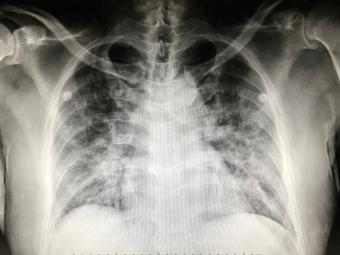
A clinical trial for Long COVID found that treating patients with a common antiviral drug for up to 25 days did not improve symptoms.
News
tRNA treatment may help restore cystic fibrosis proteins
Lipid nanoparticles delivering engineered transfer RNA restored functional proteins in cell and animal models of cystic fibrosis.

News
Bacterial infection may alter developing gut
C. difficile bacteria caused lasting changes to cells in the intestines of newborn mice.
Displaying 141 - 147 of 912

Risk and future burden of dementia in the United States
Researchers estimated that 42% of Americans over age 55 will eventually develop dementia.

Research in Context
Detecting cancer
Researchers have made huge strides in learning how to detect signs of cancer in bodily fluids like blood, saliva, and urine. Learn how these liquid biopsies are being tested to aid early cancer detection and guide treatment.

Lipoprotein structure gives insights into “bad” cholesterol
Researchers uncovered the structural details of how low-density lipoprotein (LDL), or “bad,” cholesterol, interacts with its receptor molecule to enter cells.

Building a better flu vaccine
A vaccine made by connecting antigens from different flu strains together elicited a more broadly protective immune response than a conventional flu vaccine.

Prevention and screening drive drop in cancer deaths
Most deaths avoided from common cancers between 1975 and 2020 could be traced to prevention and screening efforts.

2024 NIH Research Highlights - Basic Research Insights
Noteworthy NIH advances in basic research include insights into the H5N1 avian influenza outbreak, mapping how cancers form and spread, and progress in understanding the brain.

2024 NIH Research Highlights - Promising Medical Findings
NIH findings with potential for enhancing human health include insights into the mechanisms of ME/CFS, a skin test to detect Parkinson's disease and related disorders, and a promising target for cataract drug development.