 An official website of the United States government




September 29, 2026 Edition

News
Antiviral drug did not improve Long COVID symptoms
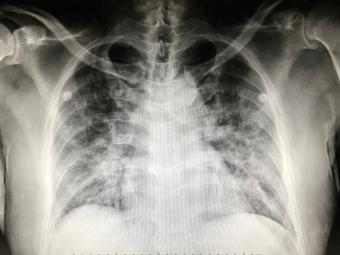
A clinical trial for Long COVID found that treating patients with a common antiviral drug for up to 25 days did not improve symptoms.
News
tRNA treatment may help restore cystic fibrosis proteins
Lipid nanoparticles delivering engineered transfer RNA restored functional proteins in cell and animal models of cystic fibrosis.

News
Bacterial infection may alter developing gut
C. difficile bacteria caused lasting changes to cells in the intestines of newborn mice.
Displaying 113 - 119 of 912

Involuntary responses reflect severity of tinnitus symptoms
By analyzing subtle facial movements, researchers found ways to objectively measure the severity of tinnitus and sound sensitivity disorder symptoms.

An LSD analogue for treating psychiatric diseases
Researchers designed a non-hallucinogenic analogue of LSD that had antidepressant and numerous cognitive benefits in mice.

Smoking cessation pill may help youth quit vaping
Teens and young adults who took a smoking cessation drug called varenicline were more likely to quit vaping nicotine than those who got a placebo pill.

Decoding how nerves sense heat and pain
A study in mice yielded new insights into the workings of nerve cells that sense touch and temperature from the skin, and how inflammation leads to pain.

Radiation from CT scans and cancer risks
Researchers updated estimates of future radiation-related cancers in the U.S. that can be expected based on current use of CT scans.

Brain-computer interface restores natural speech after paralysis
Researchers developed a brain-computer interface that quickly translates brain activity into audible words.

Understanding how visual information is processed in the brain
Scientists mapped the connections between hundreds of thousands of neurons in a small section of mouse brain and examined their firing patterns in response to visual stimuli.