 An official website of the United States government




September 29, 2026 Edition

News
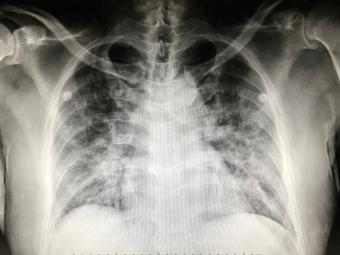
Antiviral drug did not improve Long COVID symptoms
A clinical trial for Long COVID found that treating patients with a common antiviral drug for up to 25 days did not improve symptoms.
News
tRNA treatment may help restore cystic fibrosis proteins
Lipid nanoparticles delivering engineered transfer RNA restored functional proteins in cell and animal models of cystic fibrosis.

News
Bacterial infection may alter developing gut
C. difficile bacteria caused lasting changes to cells in the intestines of newborn mice.
Displaying 106 - 112 of 912

Infant with rare disease receives customized gene therapy
Researchers used a personalized gene-editing approach to mend a faulty gene in a baby born with a rare, often deadly disorder.

Measuring ultra-processed foods in diet
Researchers developed scores based on metabolite levels in blood and urine that can identify diets high in ultra-processed foods.

Researchers describe cancer trends in people under 50
A nationwide analysis found a higher incidence of 14 types of cancer among people under 50 years old compared to rates in 2010.

Gauging biological age to predict future health
Researchers developed a tool to quantify various aspects of a person’s biological age and health status.

Brain circuit rewiring during motor learning
A new study in mice sheds light on how brain circuits get rewired when learning new movements.

Scientists find subtypes of senescence
Researchers found that cells in skin that stop dividing but don’t die, called senescent cells, aren’t all the same, coming in three types with distinct treatment responses.

Involuntary responses reflect severity of tinnitus symptoms
By analyzing subtle facial movements, researchers found ways to objectively measure the severity of tinnitus and sound sensitivity disorder symptoms.