 An official website of the United States government




September 29, 2026 Edition

News
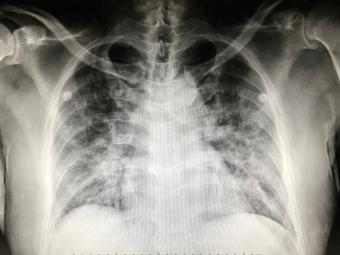
Antiviral drug did not improve Long COVID symptoms
A clinical trial for Long COVID found that treating patients with a common antiviral drug for up to 25 days did not improve symptoms.
News
tRNA treatment may help restore cystic fibrosis proteins
Lipid nanoparticles delivering engineered transfer RNA restored functional proteins in cell and animal models of cystic fibrosis.

News
Bacterial infection may alter developing gut
C. difficile bacteria caused lasting changes to cells in the intestines of newborn mice.
Displaying 127 - 133 of 912

Tiny tardigrades may hold clues to cancer care
Researchers found that a protein made by tiny creatures called tardigrades can protect mouse and human cells from radiation damage.

Non-opioid compound for chronic pain relief
Scientists developed a compound that appeared to relieve pain in mice without adverse side effects.

Neutralizing noroviruses
Researchers found evidence that the human immune system can produce antibodies to neutralize diverse norovirus strains and types.

Improving gene editing in the liver
Researchers designed a gene-editing system that replaced up to a quarter of the main type of cell in the mouse liver with edited cells.

Predicting preeclampsia
Researchers developed an approach that can predict preeclampsia in pregnant women as early as the first trimester by using cell-free DNA in blood samples.

Mapping MS-like lesions in marmosets
Researchers constructed a map of molecular and cellular changes in marmoset brains that occur in developing lesions like those in multiple sclerosis (MS).

Tracking diet from stool samples
Researchers developed a way to track what people ate by analyzing DNA from stool samples.