 An official website of the United States government




September 29, 2026 Edition

News
Antiviral drug did not improve Long COVID symptoms
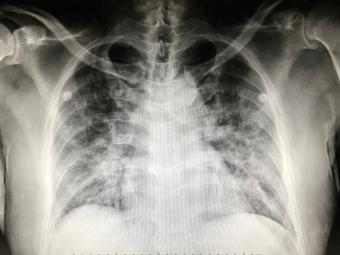
A clinical trial for Long COVID found that treating patients with a common antiviral drug for up to 25 days did not improve symptoms.
News
tRNA treatment may help restore cystic fibrosis proteins
Lipid nanoparticles delivering engineered transfer RNA restored functional proteins in cell and animal models of cystic fibrosis.

News
Bacterial infection may alter developing gut
C. difficile bacteria caused lasting changes to cells in the intestines of newborn mice.
Displaying 134 - 140 of 912

Cancer cells can cooperate to grow
Scientists found that, when deprived of amino acids, cancer cells cooperated to extract and share them from their environment.

Tracking diet from stool samples
Researchers developed a way to track what people ate by analyzing DNA from stool samples.

Scratching and allergic skin inflammation
Researchers found how scratching can worsen allergic skin symptoms but also protect from infection.

Therapy boosts peanut tolerance in allergic kids
Peanut-allergic children who could tolerate eating at least a half peanut greatly boosted their tolerance by eating gradually increased daily doses of peanut butter.

Creating an artificial sense of touch
Tiny electrodes placed precisely in the brain let people with spinal cord injuries feel sensations of shape, motion, and the orientation of objects on the skin.

Potential new target for malaria discovered
Researchers identified antibodies that bind to a previously untargeted portion of the malaria parasite.

Lasting effects of contact lenses that slow myopia in kids
Multifocal contact lenses slowed progression of nearsightedness in children, and the treatment benefit continued even after they stopped wearing the lenses.