 An official website of the United States government




September 29, 2026 Edition

News
Antiviral drug did not improve Long COVID symptoms
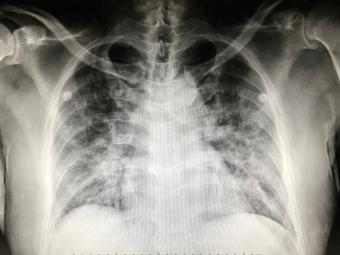
A clinical trial for Long COVID found that treating patients with a common antiviral drug for up to 25 days did not improve symptoms.
News
tRNA treatment may help restore cystic fibrosis proteins
Lipid nanoparticles delivering engineered transfer RNA restored functional proteins in cell and animal models of cystic fibrosis.

News
Bacterial infection may alter developing gut
C. difficile bacteria caused lasting changes to cells in the intestines of newborn mice.
Displaying 92 - 98 of 912

Scientists create organoids with specialized blood vessels
Scientists made mini-lungs and intestines, called organoids, that generate their own specialized blood vessels.

Neurons can tap into fat for fuel
Researchers found that neurons in the brain can use fat droplets as a source of energy.

Compounds may help treat certain neurological disorders
An experimental small molecule alleviated CoQ10 deficiency and reversed associated brain damage in a boy with a rare disease.

Research in Context
Mitochondria and health
Your cells’ mitochondria produce almost all the energy your body needs to survive. They also play a role in many other vital cellular functions. This feature looks at how insights about these cellular powerhouses might lead to new ways to help preven...

Factors linked to lung cancer in never-smokers
A study linked fine-particle air pollution and other environmental factors to genetic changes in people with lung cancer who never smoked.

Measuring aging with brain scans
Researchers developed a way to measure how fast a person is aging from a single brain scan.

Engineering immune cells within the body
A new method to engineer T cells within living organisms could make CAR T cell therapies more accessible for treating cancer and autoimmune diseases.