 An official website of the United States government




September 29, 2026 Edition

News
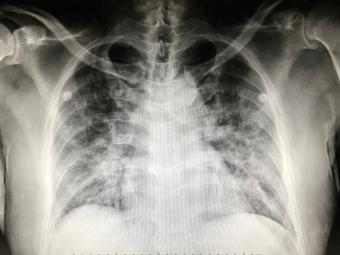
Antiviral drug did not improve Long COVID symptoms
A clinical trial for Long COVID found that treating patients with a common antiviral drug for up to 25 days did not improve symptoms.
News
tRNA treatment may help restore cystic fibrosis proteins
Lipid nanoparticles delivering engineered transfer RNA restored functional proteins in cell and animal models of cystic fibrosis.

News
Bacterial infection may alter developing gut
C. difficile bacteria caused lasting changes to cells in the intestines of newborn mice.
Displaying 176 - 182 of 912

Certain chemicals may trigger early puberty in girls
Compounds found in fragrances and other products triggered signaling pathways in mouse and human cells that might help jump-start early puberty.

Mosquitoes use infrared detection to help find people
Aedes aegypti, a type of mosquito that spreads diseases such as dengue and Zika, can sense infrared radiation to help locate and bite people.

Smart mask for monitoring chemicals in exhaled breath
Researchers developed a smart face mask that can analyze chemicals in breath in real time.

Blood test predicts 30-year cardiovascular disease risks for women
Researchers found that a blood test to measure levels of three compounds could predict a woman’s risk for cardiovascular disease decades later.

Personalized deep brain stimulation for Parkinson's disease
A personalized, adaptive system significantly reduced Parkinson's symptoms and improved quality of life compared with standard deep brain stimulation.

Brain-computer interface helps paralyzed man speak
Researchers developed a highly accurate brain-computer interface that allowed a man whose ability to speak was impaired by ALS to communicate.

Role of glucose metabolism in Alzheimer's disease
Researchers found that proteins involved in Alzheimer's disease inhibit glucose metabolism in the brain, suggesting a novel potential approach for treatment.