 An official website of the United States government




September 29, 2026 Edition

News
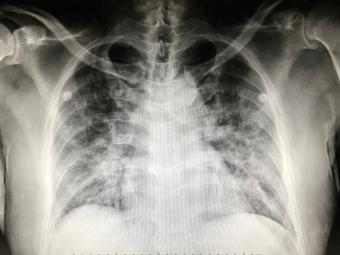
Antiviral drug did not improve Long COVID symptoms
A clinical trial for Long COVID found that treating patients with a common antiviral drug for up to 25 days did not improve symptoms.
News
tRNA treatment may help restore cystic fibrosis proteins
Lipid nanoparticles delivering engineered transfer RNA restored functional proteins in cell and animal models of cystic fibrosis.

News
Bacterial infection may alter developing gut
C. difficile bacteria caused lasting changes to cells in the intestines of newborn mice.
Displaying 183 - 189 of 912

Keto diet enhances experimental cancer therapy in mice
Scientists showed how a ketogenic diet can enhance the effects of an experimental anti-cancer drug and starve pancreatic tumors in mice.

Scientists find brain circuit for placebo pain relief
Researchers identified a brain circuit in mice that plays a previously unknown role in providing pain relief. This newly recognized pathway may point to novel approaches for treating pain.

How SARS-CoV-2 might cause dangerous inflammation in children
Researchers found one way that SARS-CoV-2 infection can lead to a severe complication in children called MIS-C.

How psychedelic drugs alter the brain
Researchers found that psilocybin temporarily disrupts a brain network involved in creating a person’s sense of self.

Accurate blood test for Alzheimer's disease
A blood test identified Alzheimer's disease correctly in older adults with about 90% accuracy.

Endometriosis types and ovarian cancer risk
Researchers found that women with certain types of severe endometriosis are at significantly increased risk of ovarian cancer.

How primates quickly detect faces
Neurons in an area deep in the primate brain rapidly distinguished faces from other objects, even in peripheral vision.