 An official website of the United States government




September 29, 2026 Edition

News
Antiviral drug did not improve Long COVID symptoms
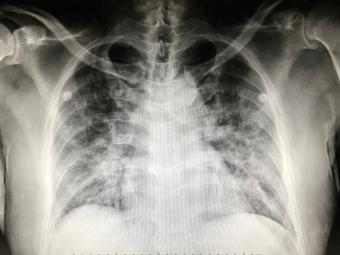
A clinical trial for Long COVID found that treating patients with a common antiviral drug for up to 25 days did not improve symptoms.
News
tRNA treatment may help restore cystic fibrosis proteins
Lipid nanoparticles delivering engineered transfer RNA restored functional proteins in cell and animal models of cystic fibrosis.

News
Bacterial infection may alter developing gut
C. difficile bacteria caused lasting changes to cells in the intestines of newborn mice.
Displaying 211 - 217 of 912

Blood biomarkers for knee osteoarthritis
Researchers found biomarkers in blood that may predict knee osteoarthritis up to eight years before clinical diagnosis.

Antibody reduces risk of malaria in children
A single dose of a monoclonal antibody given to children 6 to 10 years of age in Mali proved up to 77% effective at preventing malaria disease.

Urine test identifies high-risk prostate cancers
Researchers developed a urine-based test that can distinguish between slow-growing prostate cancers that pose little risk and more aggressive cancers that need treatment.

Detailed structure of bitter taste receptor revealed
Scientists uncovered unique structural features of a bitter taste receptor, including a role for cholesterol in receptor activation.

Green space may improve young children's mental health
Researchers found that young children living in areas with more green spaces had fewer symptoms of anxiety and depression.

Synthetic platelets stop bleeding in animal studies
Synthetic blood platelets stopped bleeding and sped wound healing in animals with internal injuries. The findings suggest they’re likely safe for testing in people.

Research in Context
Treating depression
While effective treatments for major depression are available, there is still room for improvement. This special Research in Context feature explores the development of more effective ways to treat depression, including personalized treatment approac...