 An official website of the United States government




September 29, 2026 Edition

News
Antiviral drug did not improve Long COVID symptoms
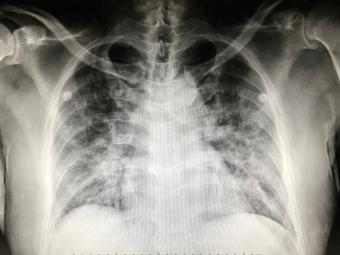
A clinical trial for Long COVID found that treating patients with a common antiviral drug for up to 25 days did not improve symptoms.
News
tRNA treatment may help restore cystic fibrosis proteins
Lipid nanoparticles delivering engineered transfer RNA restored functional proteins in cell and animal models of cystic fibrosis.

News
Bacterial infection may alter developing gut
C. difficile bacteria caused lasting changes to cells in the intestines of newborn mice.
Displaying 239 - 245 of 912

Preventing severe allergic reactions with nanoparticles
Researchers created nanoparticles that could deactivate immune cells and prevent severe allergic reactions in mice.

Machine learning identifies federally protected waters
Researchers used machine learning to estimate which waters are protected by the Clean Water Act, which provides the basis for federal regulation of water quality, including water for drinking.

Comparing side effects after prostate cancer treatment
Men with cancer confined to the prostate experienced different long-term side effects depending on the type of treatment received.

Research in Context
Diagnosing dementia
This special Research in Context feature explores approaches to the diagnosis of Alzheimer’s and other dementias and the development of strategies to try to prevent their progression.

People taking semaglutide had lower risk of suicidal thoughts
Semaglutide was associated with a lower risk of suicidal thoughts than other anti-obesity and anti-diabetes drugs.

Plastic particles in bottled water
Researchers developed an imaging technique that detected thousands of tiny bits of plastic in common single-use bottles of water.

Infections and falls increased in private equity-owned hospitals
After hospitals were purchased by private equity firms, patients had a substantial increase in infections, falls, and other adverse events.