 An official website of the United States government




September 29, 2026 Edition

News
Antiviral drug did not improve Long COVID symptoms
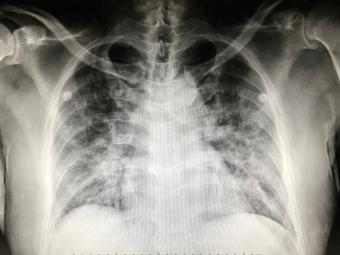
A clinical trial for Long COVID found that treating patients with a common antiviral drug for up to 25 days did not improve symptoms.
News
tRNA treatment may help restore cystic fibrosis proteins
Lipid nanoparticles delivering engineered transfer RNA restored functional proteins in cell and animal models of cystic fibrosis.

News
Bacterial infection may alter developing gut
C. difficile bacteria caused lasting changes to cells in the intestines of newborn mice.
Displaying 36 - 42 of 912

Treating newborns with opioid withdrawal
Giving opioid withdrawal medications based on an infant’s symptoms rather than a set schedule can shorten hospital stays.

GLP-1 plus therapy can reduce heavy drinking
People with alcohol use disorder and obesity drank less when treated with a GLP-1 drug in addition to cognitive behavioral therapy.

Scientists create detailed map of odor receptors
Researchers uncovered surprising details about how smell receptors are organized in the nose.

Boosting the immune response to brain cancer
A study in mice found that stopping microglia from using fructose for fuel enhanced the immune response to brain cancer.

Weakened gut-brain connection may contribute to memory loss
Changes to gut bacteria in aging mice hindered communication from the gut to the brain and led to worse performance on memory tasks.

AI tool predicts patients at risk of intimate partner violence
A new artificial intelligence tool may help health care providers identify patients at risk of intimate partner violence and provide early interventions.

Using RNA to treat heart attacks
An NIH-supported research team developed a minimally invasive therapy that may help the heart recover from a heart attack.