 An official website of the United States government




September 29, 2026 Edition

News
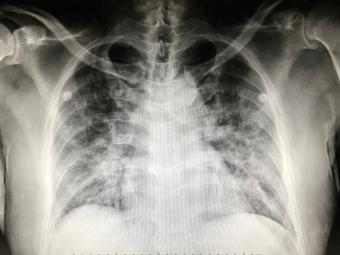
Antiviral drug did not improve Long COVID symptoms
A clinical trial for Long COVID found that treating patients with a common antiviral drug for up to 25 days did not improve symptoms.
News
tRNA treatment may help restore cystic fibrosis proteins
Lipid nanoparticles delivering engineered transfer RNA restored functional proteins in cell and animal models of cystic fibrosis.

News
Bacterial infection may alter developing gut
C. difficile bacteria caused lasting changes to cells in the intestines of newborn mice.
Displaying 50 - 56 of 912

3D human liver reconstruction reveals changes in cirrhosis
A new 3D reconstruction of human liver tissue revealed changes to the liver’s internal structure in liver disease.

Engineered immune cells target Alzheimer’s disease protein
Scientists designed a T cell that reduced signs of disease in the brains of a mouse model for Alzheimer’s disease.

How the environment can shape future allergies
A study in mice sheds light into how early exposure to microbes and allergens might help protect against overactive immune responses.

Bacteria play key role in kidney stones
Scientists discovered that bacteria are a key component of kidney stones, including types of stones previously thought to harbor no bacteria.

How age alters sepsis outcomes
Researchers found a biological pathway that helps young mice survive severe infections but has the opposite effect in older mice.

Progress toward a blood test for early pancreatic cancer
Scientists identified markers in blood that could help identify pancreatic cancer at earlier stages, when it is more treatable.

Manipulating gene activity to reverse aging
By altering levels of molecules called transcription factors in mice, researchers were able to reverse some of the effects of aging.