 An official website of the United States government




September 29, 2026 Edition

News
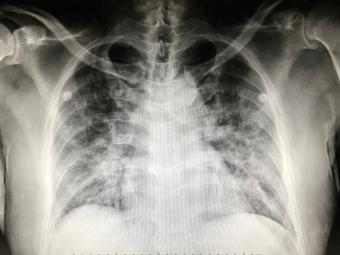
Antiviral drug did not improve Long COVID symptoms
A clinical trial for Long COVID found that treating patients with a common antiviral drug for up to 25 days did not improve symptoms.
News
tRNA treatment may help restore cystic fibrosis proteins
Lipid nanoparticles delivering engineered transfer RNA restored functional proteins in cell and animal models of cystic fibrosis.

News
Bacterial infection may alter developing gut
C. difficile bacteria caused lasting changes to cells in the intestines of newborn mice.
Displaying 57 - 63 of 912

Severe CTE clearly linked to dementia
Researchers found a strong link between severe chronic traumatic encephalopathy (CTE) and symptoms of dementia and cognitive function.

Understanding obesity-induced inflammation
NIH-funded researchers detailed a chain of events through which obesity promotes harmful inflammation.

Sensory nerves play role in bone fracture healing
A study in mice found that after a bone fracture, the nerves that sense pain also promote healing by signaling for bone repair and wound healing.

People with dementia prescribed risky drugs
Researchers found that many older adults with dementia or cognitive impairment were prescribed medications that can increase the risk of confusion, falls, and hospitalization.

Cellular mitochondria transfer prevents pain
A new understanding of mitochondria may lead to improved treatments for nerve pain.

Testing risk-based breast cancer screening
A large clinical trial found that a personalized approach to breast cancer screening is a safe alternative to routine annual mammograms and may have other benefits.

ADHD medications stimulate alertness, motivation
Researchers found that prescription stimulants for ADHD act on brain networks that control wakefulness and reward, but not attention as previously thought.