 An official website of the United States government




Budget Information
Budget requests for years prior to FY 2026 were submitted by prior Administrations and may not reflect current HHS policy
Each year, the National Institute on Drug Abuse submits to Congress a justification for its Fiscal Year (FY) activities. The justification describes program accomplishments and research priorities, and outlines the budgetary activities toward advancing NIDA’s public health mission.
- The FY 2027 President’s Budget proposes to consolidate NIDA into the National Institute of Substance Use and Addiction Research (NISUAR). For more information on the FY 2027 NIH Congressional Justification, see the NIH Office of Budget website.
- Fiscal Year 2026 Budget Information: The FY 2026 Budget proposes to consolidate the National Institute on Drug Abuse into the National Institute of Behavioral Health. For more information on the FY 2026 NIH Congressional Justification, see the NIH Office of Budget website.
- Fiscal Year 2025 Budget Information
- Fiscal Year 2024 Budget Information
- Fiscal Year 2023 Budget Information
- Fiscal Year 2022 Budget Information
Learn more at NIH Office of Budget.
Testimonies to Congress
The testimony of NIDA Director, Nora D. Volkow, M.D., and other senior staff before congress, as well as other Hearings.
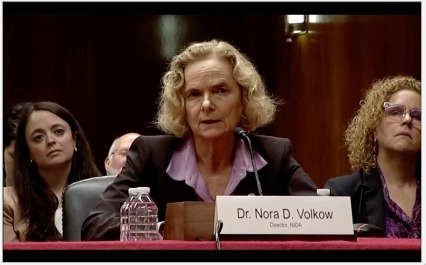
Dr. Nora Volkow, NIDA Director, and other NIH senior leaders provide NIH budget justifications at Senate LHHS appropriation hearing.
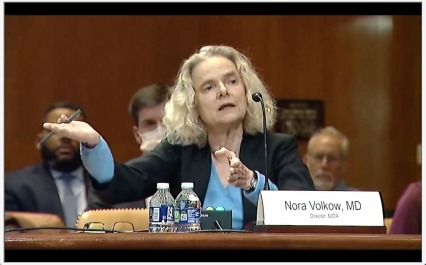
Dr. Nora Volkow, NIDA Director, and other NIH senior leaders provide NIH budget justifications at Senate LHHS appropriations hearing.
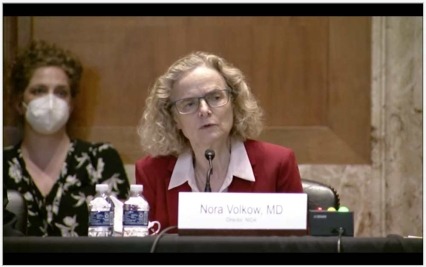
Dr. Nora Volkow, NIDA Director, and other NIH senior leaders provide NIH budget justifications at Senate LHHS appropriations hearing.
Chairwoman Murray, Ranking Member Burr, and members of the Committee, thank you for inviting the National Institute on Drug Abuse (NIDA), a component of the National Institutes of Health (NIH), to participate in this hearing. NIDA’s mission is to advance the science on the causes and consequences of drug use and addiction and apply that knowledge to improve individual and public health. I am pleased to speak to you today about the intersection of substance use and mental health.
The Administration is committed to addressing the unprecedented mental health, and substance use disorder crisis that is affecting adults and children of all races in urban and rural communities across the United States. During the State of the Union, President Biden announced his Unity Agenda. This includes a focus on fighting the overdose epidemic as well as addressing our national mental health crisis.1 The three pillars of the President’s mental health strategy are:
- Strengthen System Capacity;
- Connect Americans to Care; and
- Support Americans by Creating Healthy Environments.
Today I will detail for you how NIDA science is advancing these goals.
We are experiencing the worst drug overdose crisis in the nation’s history. Exacerbated by the COVID-19 pandemic, overdose deaths exceeded 100,000 from September 2020 to September 2021, the highest number ever recorded in a 12-month period and a staggering 50 percent increase over the previous two years. Large increases in many kinds of drug use have been seen over the course of the pandemic: Several reports have revealed increases in positive urine drug screens for fentanyl, cocaine, heroin, and methamphetamine.2,3,4 There have been increases in cannabis and alcohol use, especially among people with anxiety and depression and those experiencing COVID-19-related stress,5,6,7 underscoring the close relationship between drug use and mental health.
Substance use disorders (SUDs) are considered mental illnesses, and these conditions frequently co-occur with other mental illnesses including depression, anxiety, post-traumatic stress disorder (PTSD), and others. Half of people with mental illnesses will have an SUD at some point in their lives, and the reverse is also true. The reasons that SUDs often co-occur with other mental illnesses are complex. Sometimes they arise independently as a result of shared risk factors (common genetics, common environmental adverse factors). Their development may also be intertwined, with one contributing to the other. Chronic, problematic drug use can disrupt the activity of the brain’s reward, stress, and executive-control systems, making it more difficult for people to experience the pleasures associated with daily living and contributing to negative emotional states, such as depression, stress, and anxiety while impairing their capacity for self-regulation. In other cases, people use drugs to self-treat an underlying mental disorder. Over time, chronic drug use can lead to an SUD, which in turn can worsen the original mental illness. Genetics may also mediate the relationship between drug use and mental illness. For example, cannabis use raises risk of psychosis in those who have an underlying genetic vulnerability. Research also points to a concordance between increases in schizophrenia associated with cannabis use disorder and concurrent rises in cannabis use and cannabis potency over the past two decades.
Although genes play a role in some of the synergies between drug use and mental illness, many of the common risk factors are social determinants of health such as racial and other forms of discrimination, adverse childhood experiences like abuse and neglect, and economic deprivation including poverty and lack of access to quality education and healthcare. The stigma that attaches to both SUDs and other mental illnesses is another important factor, which contributes to and compounds adverse social determinants of health including social isolation, job loss, incarceration, and reluctance to seek care or difficulties accessing it.
Social isolation and stress have likely contributed to the rise in substance use and overdose observed over the course of the pandemic. Social isolation can make people with SUDs more vulnerable to negative outcomes because it interferes with many of the support systems that can help them to reach and sustain recovery. Although exposure to stress is a common occurrence for many of us, it is also one of the most powerful triggers for relapse to substance use for people with SUD, even after long periods of abstinence and for the exacerbation of depression and anxiety among with people with mental illnesses.
Notably, there are increased reports of mental distress since the COVID-19 pandemic emerged, including among individuals with no history of mental disorders and among younger adults, racial/ethnic minorities, essential workers, and unpaid adult caregivers.8,9,10,11 This increased mental distress is occurring in the context of a drug supply that is dominated by potent synthetic opioids and psychostimulants, underscoring the need for focused investment in prevention and treatment to mitigate the impact of the pandemic on the ongoing overdose epidemic. Suicide is often linked to depression and other mental illnesses including SUDs, and in the United States, and it has significantly risen particularly among youth and, to a lesser extent, the elderly. Moreover, in a recent study, we found that although suicide by overdose went down in most groups between 2015 to 2019 (the most recent year available), it rose in young people aged 15-24, in older adults aged 75-84, and in Black women. The highest suicide-by-overdose rate in all years studied was seen in women aged 45-64.12
NIDA is Advancing Research on SUDs and Other Mental Illnesses
NIDA-supported research has led to the development of effective prevention and treatment interventions for SUD, providing hope for the more than 20 million people in the United States with SUD and their loved ones. Although significant strides in establishing evidence-based practices have been made, there is far more work to be done to develop new prevention and treatment interventions and to deliver existing effective interventions with fidelity, for diverse populations, and at scale. There is a particularly urgent need for interventions for comorbid SUD and mental illness; just as SUD and other mental illnesses may exacerbate one another, effective treatment for each of a person’s psychiatric condition improves overall outcomes.
Prevention
Two large NIH-funded longitudinal studies, the Adolescent Brain Cognitive Development (ABCD) study and the HEALthy Brain and Child Development (HBCD) study, will add greatly to our understanding of risk and protective factors for SUDs and other mental illnesses. Launched last year, the HBCD study will examine, from the prenatal period through age 9-10, both normal brain development and how environmental factors, including social determinants of health, maternal drug exposure, substance use, and COVID-19 influence brain development and clinical outcomes. ABCD is following nearly 12,000 children from age 9-10 through the subsequent decade. This study, too, has been examining how childhood experiences affect brain development and social, behavioral, academic, and health outcomes, including substance use and COVID-19. Together, these studies will provide valuable information for the development and implementation of prevention interventions.
It is already clear that interventions in early childhood or adolescence can be beneficial for averting substance use and other mental illnesses later in life. Research has also provided evidence that interventions for low-income families can ameliorate some of the adverse neurobiological impacts of poverty.13 Substance use and behavioral disorders exact a monetary as well as a human cost, with impacts felt across sectors of society including healthcare, the justice system, education, and taxpayers in general. Studies of prevention’s return on investment show that communities could not only save lives but save money by investing in prevention programs. A recent analysis of one state’s healthcare costs incurred by various risky behaviors in pre-adolescents and adolescents pointed to great potential cost savings from implementing relatively low-cost measures including screening in primary care and referral to family-based prevention.14
Indeed, screening is crucial to better prevention of SUD and other mental illnesses, and it is an important area to focus our efforts. As it now stands, within primary and ambulatory care settings, rates of screening for depression are quite low.15, 16 Screening for depression and other mental health conditions needs to become part of standard practice along with asking about substance use. Only when providers screen for and diagnose all coexisting psychiatric conditions can treatment plans be developed that address the patient’s unique and combined needs.
Under the Helping to End Addiction Long-term® or HEAL Initiative®, NIDA leads prevention research aimed at adolescent and young adult populations that are at highest risk for opioid misuse and opioid use disorder (OUD).17 Ongoing studies are modifying an existing alcohol and drug prevention intervention designed for American Indian/Alaska Native (AI/AN) youth to be appropriate for opioid prevention in young adults; preventing OUD among adolescents/young adults experiencing homelessness; exploring whether providing housing in addition to risk reduction services could improve outcomes; and leveraging technology that is appealing to adolescents and young adults to facilitate delivery of an emergency-department-based intervention via health coaches. Preventing harms related to substance use is another critical priority and includes strategies to prevent overdose and other medical consequences of substance use such as infectious diseases.
Behavioral Treatments
Only 13 percent of people with drug use disorders receive any treatment, and more than half of those with co-occurring conditions in a given year will receive treatment for neither. Behavioral therapies can be effective for treating SUDs. For example, contingency management, a therapy that provides incentives for behavior change, is the most effective treatment for stimulant use disorders, though it is unfortunately not widely available to patients. Other behavioral treatments, like cognitive behavioral therapy, have been shown to be effective in treating both SUDs and some other mental illnesses together. But by and large, treating SUDs and other mental illness will require a combined approach and coordination of care among different specialists. In a person with OUD and depression, for instance, it could mean a combination of buprenorphine and an antidepressant, ideally in combination with some form of behavioral therapy. Overall interventions need to be personalized to the severity of the disorder and the different needs of patients. NIDA is supporting research to develop behavioral treatments to reduce substance use by addressing symptoms of anxiety and depression; to simultaneously intervene on substance use and symptoms of PTSD in adolescents; and to develop SUD treatment approaches that are tailored to the needs of people with schizophrenia or symptoms of psychosis.
Medication Development
Developing effective medications for SUDs is one of NIDA’s highest priorities and is critical to improving treatment for people with addiction. While effective medications exist for OUD, these medications are underutilized. Suboptimal patient retention in treatment regimens, policy barriers that limit opioid prescribing, and stigma around opioid agonist medications all contribute to their underutilization. More options are needed to help people with OUD achieve long-term recovery. NIDA is supporting research on medication development for OUD and overdose, including through funds provided by the NIH HEAL Initiative. The NIH HEAL Initiative has allowed investigators to file 21 Investigational New Drug Applications with the Food and Drug Administration (FDA) in the past 2.5 years to initiate clinical trials. These studies focus on a variety of drug targets, as well as monoclonal antibodies and vaccines that could prevent opioids from entering the brain.
An increased focus on patient wants and needs, as well as a growing understanding that SUD treatment needs to be personalized and responsive to patients’ unique changing sets of symptoms, is leading to a broadened conception of treatment that can include addressing multiple co-occurring symptoms of a disorder. Sleep problems, depression, and anxiety, for instance, are among SUD-associated symptoms identified at patient-focused drug development meetings held by the FDA in partnership with NIDA to solicit input from SUD patient populations to help guide drug development. Studies are underway to investigate the possibility of repurposing existing medications for OUD indications, such as the FDA-approved insomnia medication, suvorexant, based on known overlaps between brain signaling systems involved in sleep and addiction.
We are also prioritizing the development of medications to treat stimulant use disorders for which there are currently no FDA-approved medications. Numerous compounds are being tested, and approaches span identifying novel biological targets for new medications, developing anti-cocaine and anti-methamphetamine vaccines, repurposing existing FDA-approved medications, and testing the benefits from medication combinations (i.e., naltrexone + buprenorphine for the treatment of moderate to severe methamphetamine use disorder). NIDA’s medication development program is also supporting research on compounds that specifically address intersecting substance use and psychiatric symptoms, including potential treatments for mood disorder symptoms associated with cocaine use and co-occurring bipolar and cannabis use disorders.
More coordinated and targeted approaches to incentivize drug development related to addiction are sorely needed. The pharmaceutical industry has historically underinvested in research and development of substance use disorder treatments, due to the biological complexity of these disorders, the stigma that surrounds them, and concerns around the profit potential of substance use disorder medications.
Harm Reduction
Abundant research shows the value of interventions and services aimed at reducing harms associated with drug use. Overdose deaths are significantly reduced in communities that distribute naloxone to people who use drugs and to their families or other potential bystanders. An important part of NIDA’s medication-development research involves developing new and improved overdose reversal medications, particularly formulations of naloxone that are effective for high-potency opioids like fentanyl, as well as compounds that could reverse opioid overdoses involving other drugs such as methamphetamine. Syringe-services programs are effective at reducing the spread of HIV and other infectious diseases like hepatitis C, and they also help link people who inject drugs to addiction and HIV screening and treatment. NIDA continues to support research on these and other harm reduction practices such as drug checking technologies like fentanyl test strips.
Translating Research into Practice in Diverse Settings
Providing prevention and treatment services across health care, justice, and community settings is key to addressing SUD and is the most promising way to improve access to treatment. Persistent challenges continue to keep mental health care largely separate from general medical care, and addiction care is often further sequestered to specialized settings. This leads to difficulty in providing patients with coordinated, wholistic treatment. In order to promote provision of quality care, NIDA places a high priority on implementation research in diverse settings, including through the NIDA Clinical Trials Network (CTN), the Justice Community Opioid Innovation Network (JCOIN), and the HEALing Communities Study (HCS).
Clinical Trials Network
The primary goal of CTN, which comprises 16 research nodes and more than 240 community-anchored treatment programs across the country, is to bridge the gap between the science of drug treatment and its practice through the study of evidence-based interventions in real-world settings. NIDA’s CTN allows medical and specialty treatment providers, treatment researchers, patients, and NIDA to cooperatively develop, validate, refine, and deliver new treatment options to patients. The CTN is conducting studies to evaluate strategies for integrating OUD screening and treatment into emergency departments, primary care clinics, infectious disease programs and rural and AI/AN communities. It also tests alternative models of care for SUD such as the use of pharmacies for delivering medication for OUD and the integration of telehealth for support of treatment. The CTN supports research based on data relevant to SUD by taking advantage of electronic health record (EHR) systems. It is currently developing and testing a clinical decision support tool that integrates with EHR systems to help doctors diagnose OUD and provide treatment or refer patients to appropriate care. The CTN also supports research to examine the role of pharmacies in providing medications for OUD, an approach that could be especially useful in rural communities located far away from traditional treatment programs.
Justice Community Opioid Innovation Network
NIDA’s JCOIN, which is funded though the NIH HEAL initiative, is testing strategies to expand effective OUD treatment and care for people in justice settings in partnership with local and state justice systems and community-based treatment providers.18 JCOIN includes a national survey of addiction treatment delivery services within the justice system; studies on the effectiveness and adoption of new medications, prevention and treatment interventions, and technologies; and use of existing data sources in novel ways to understand care in justice populations. Together, these studies are generating real-world evidence to address the unique needs of individuals with OUD in justice settings. JCOIN also responded in real time to the COVID-19 pandemic with additional research to study COVID testing protocols in justice-involved populations.
HEALing Communities Study
The HEALing Communities Study, also funded through the NIH HEAL Initiative, is a multisite implementation research study investigating coordinated approaches for deploying evidence-based strategies to prevent and treat opioid misuse and OUD and prevent overdose deaths that is tailored to the needs of local communities. Research sites are partnering with 67 communities highly affected by the opioid crisis across four states (NY, MA, KY, and OH) to measure the impact of these efforts.19 The ambitious goal of the study is to reduce opioid-related overdose deaths by 40 percent over three years. Despite the impacts of COVID-19 on research and its severe exacerbation of the overdose crisis, the HEALing Communities study was able to launch a key aspect of its program, a diverse communications campaign to increase awareness and demand for evidence-based practices and to reduce stigma against people with OUD and those taking medications for OUD.20
Leveraging Telehealth, Digital Solutions, and Innovation to Expand Access to Care
A component of translating research into practice is leveraging existing opportunities and developing new ways to bring healthcare to hard-to-reach populations. The COVID-19 pandemic brought about significant drug treatment policy changes that expanded telehealth and facilitated access to medications for OUD—including by facilitating remote prescribing of buprenorphine and take-home dosing of methadone. These flexibilities were rapidly implemented by providers, and evidence to date suggests that they were not associated with an increase in adverse outcomes. NIDA is funding research on telehealth utilization and the effects of recent changes in policy and practice.
NIDA is also leveraging the Small Business Innovation Research (SBIR) and Small Business Technology Transfer (STTR) programs and other funding mechanisms to help biotech startups develop technologies that connect people with SUDs to care, provide or support treatment, help individuals sustain their recovery, and even facilitate overdose prevention. For example, a smartphone app originally designed to connect patients to open acute care beds has been adapted to facilitate referrals to addiction treatment facilities and is currently being used by several state governments and hospital systems. NIDA has also helped develop tools that put evidence-based psychosocial treatment for SUDs right in the hands of anyone with a smartphone. For example, reSET and reSET-O are apps that deliver cognitive behavioral therapy in conjunction with treatment that includes buprenorphine and contingency management to people with non-opioid SUDs (reSET) and OUD (reSET-O), and were the first prescription cognitive behavioral therapy mobile apps to receive FDA clearance to help increase retention in an outpatient treatment program. A NIDA SBIR grant is now being used to make these apps more accessible by converting them into a game. Other apps help doctors and patients monitor and maintain their OUD medication, and connect individuals to behavioral therapies, peer support groups, and community interventions. Research is also ongoing to develop automatic overdose detection devices that can inject naloxone when a person overdoses, along with tools and methods to accurately assess types of drugs detected in blood or urine for use in healthcare or by medical examiners and coroners, among many other innovations. These and other innovative products demonstrate that pairing sound science with biotechnology entrepreneurship has great potential to expand the research of addiction treatments and support services.
Addressing Health Inequities and Disparities
Disparities by race, socioeconomic status, sex, and geography have always created an inequitable landscape in care for SUDs and other mental illnesses. For example, Black people are much less likely to be prescribed buprenorphine for OUD than white people. And despite parity laws, insurance coverage for SUD and other mental health treatment remains limited, meaning that less advantaged populations have less access to needed, potentially life-saving services. The COVID pandemic has illuminated and, in many ways, exacerbated many of these disparities. However, flexibilities in healthcare practice adopted during the pandemic (e.g., expanded telehealth) along with new tools to facilitate telehealth may help overcome some of the existing barriers to finding SUD treatment and psychiatric care, particularly for currently underserved populations. Ongoing research will help optimize the most cost-effective interventions to mitigate the exacerbation of health disparities due to COVID-19. Indeed, finding solutions to reduce and ultimately eliminate health disparities, especially those related to structural racism, is a NIDA research priority. Racial disparities also persist in the addiction science workforce. NIDA’s Racial Equity Initiative is working to identify disparities and systemic barriers and implement programs and funding opportunities to equitably enhance, promote, and sustain engagement of people from diverse backgrounds, including those from historically underrepresented groups, in addiction science.
Substance use impacts women differently than men, conferring unique challenges that warrant particular attention. Women are more likely to use substances to cope, progress more quickly from use to addiction, and have greater co-occurrence of addiction with symptoms of mood disorder.21,22 This increased vulnerability bears out in women experiencing homelessness, who have higher rates of substance use than their male counterparts and are a group more likely to have been victim to physical and sexual abuse.23,24 Worldwide, women are less likely than men to receive treatment for their SUD.25 Negative outcomes associated with substance use are also a serious concern among women; women who use drugs experience gender-related violence at much higher rates than those who do not, women have a greater likelihood than men of contracting blood-borne infections from injection drug use, and women are more likely than men to intentionally overdose.26,27 These elevated risks not only impact women who use drugs, but their children and family units as well. It is imperative that the specific needs of women are considered—from biological differences, through childcare, personal safety, and transportation needs—to ensure that addiction prevention and treatment are as effective as possible.
Building Partnerships
Partnerships are critical to make a positive impact on public health, and NIDA is engaged in productive collaborations at all levels of government. We value our partnerships with our sister agencies in HHS, including the Substance Abuse and Mental Health Services Administration (SAMHSA), the Health Resources and Services Administration (HRSA), as well as the FDA, which is crucial to our efforts to develop medications and devices for SUD medications. NIDA also partners closely with the Centers for Medicare & Medicaid Services (CMS) to build the evidence base for healthcare funding decisions, with the Office of National Drug Control Policy (ONDCP) to advance the far-ranging goals of the National Drug Control Strategy, and with the Department of Justice to improve addiction care in incarcerated populations and promote research on controlled substances.
Collaborations also provide valuable and complementary perspectives and infrastructures that NIDA leverages to advance research and maximize its benefit for all people. Some of the largest projects funded under the NIH HEAL Initiative rely on such collaboration with our federal partners and others. The HEALing Communities Study is led by NIDA in close partnership with SAMHSA to ensure that this research is poised to impact service delivery toward ameliorating the opioid crisis in hard hit areas. JCOIN fosters collaboration between investigators, justice, and behavioral health stakeholders in search of creative ways for improving the capacity of the justice system to respond to the opioid crisis.
Conclusion
The issues of substance use and SUD are inseparable from the larger landscape of mental health and mental illness. Consequently, we cannot hope to make headway against the drug overdose crisis unless we make screening, preventing, and treating all mental illness, including SUDs, one of our top priorities. Continued research is also critical, and NIDA is actively supporting research in each of these areas with a focus on SUDs, their entwined psychiatric problems, and overcoming the various infrastructural barriers and stigma that have historically impeded these goals. Thank you for the opportunity to address these critical issues.
References
- FACT SHEET: President Biden to Announce Strategy to Address Our National Mental Health Crisis, As Part of Unity Agenda in his First State of the Union | The White House
- Millennium Health's Signals Report™ COVID-19 Special Edition Reveals Significant Changes in Drug Use During the Pandemic (prnewswire.com)
- Analysis of Drug Test Results Before and After the US Declaration of a National Emergency Concerning the COVID-19 Outbreak | Emergency Medicine | JAMA | JAMA Network
- The Opioid Epidemic Within the COVID-19 Pandemic: Drug Testing in 2020 | Population Health Management (liebertpub.com)
- Alcohol Consumption during the COVID-19 Pandemic: A Cross-Sectional Survey of US Adults (nih.gov)
- Increased alcohol use during the COVID-19 pandemic: The effect of mental health and age in a cross-sectional sample of social media users in the U.S. - ScienceDirect
- Changes in Alcohol Consumption Among College Students Due to COVID-19: Effects of Campus Closure and Residential Change: Journal of Studies on Alcohol and Drugs: Vol 81, No 6 (jsad.com)
- Mental Health - Household Pulse Survey - COVID-19 (cdc.gov)
- Early Release of Selected Mental Health Estimates Based on Data from the January–June 2019 National Health Interview Survey (cdc.gov)
- Mental distress during the COVID-19 pandemic among US adults without a pre-existing mental health condition: Findings from American trend panel survey - ScienceDirect
- Mental Health, Substance Use, and Suicidal Ideation During the COVID-19 Pandemic — United States, June 24–30, 2020 | MMWR (cdc.gov)
- Intentional Drug Overdose Deaths in the United States American Journal of Psychiatry 2022 179:2, 163-165
- Family‐centered prevention ameliorates the longitudinal association between risky family processes and epigenetic aging - Brody - 2016 - Journal of Child Psychology and Psychiatry - Wiley Online Library
- Addressing Barriers to Primary Care Screening and Referral to Prevention for Youth Risky Health Behaviors: Evidence Regarding Potential Cost-Savings and Provider Concerns | SpringerLink
- National Rates and Patterns of Depression Screening in Primary Care: Results From 2012 and 2013 - PubMed (nih.gov)
- Depression Screening Patterns, Predictors, and Trends Among Adults Without a Depression Diagnosis in Ambulatory Settings in the United States | Psychiatric Services (psychiatryonline.org)
- Preventing At-Risk Adolescents from Developing Opioid Use Disorder | NIH HEAL Initiative
- Justice Community Opioid Innovation Network | NIH HEAL Initiative
- HEALing Communities Study | NIH HEAL Initiative
- Introduction to the special issue on the HEALing Communities Study - ScienceDirect
- Full article: Women and Addiction: The Importance of Gender Issues in Substance Abuse Research (tandfonline.com)
- Sex differences in vulnerability to addiction - ScienceDirect
- Women, Homelessness, And Substance Abuse: Moving Beyond the Stereotypes - Lisa J. Geissler, Carol A. Bormann, Carol F. Kwiatkowski, G. Nicholas Braucht, Charles S. Reichardt, 1995 (sagepub.com)
- Recognizing and responding to women experiencing homelessness with gendered and trauma-informed care | BMC Public Health | Full Text (biomedcentral.com)
- WDR21_Booklet_2.pdf (unodc.org)
- Women who inject drugs more likely to be living with HIV | UNAIDS
- Intentional Drug Overdose Deaths in the United States | American Journal of Psychiatry (psychiatryonline.org)
Chairwoman Eshoo, Ranking Member Guthrie, and members of the House Energy and Commerce Subcommittee on Health, thank you for inviting the National Institute on Drug Abuse (NIDA), a component of the National Institutes of Health (NIH), to participate in this hearing. NIDA’s mission is to advance science on the causes and consequences of drug use and addiction and to apply that knowledge to improve individual and public health. I’m pleased to speak with you today about the importance of advancing research on fentanyl-related substances.
Fentanyl is a powerful synthetic opioid that is approximately 100 times more potent than morphine.1 U.S. Food and Drug Administration (FDA)-approved fentanyl products are analgesics used medically during surgery, for treating post-surgical pain, and managing pain in opioid-tolerant patients. However, fentanyl and fentanyl-related substances are also made and distributed illegally; it is illicitly-manufactured fentanyl, fentanyl related substances, and other synthetic opioids that are driving the sharp rise in overdose deaths in the United States. Provisional data from the Centers for Disease Control and Prevention (CDC) show that drug overdose deaths exceeded 100,000 from April 2020 to April 2021, a staggering 28.5 percent increase over the previous year and the highest number ever recorded in a 12-month period.2 Overdose deaths involving synthetic opioids—primarily illicit fentanyl and its analogs—increased by 55 percent in 2020.3 Many of these deaths also involved other drugs, such as methamphetamine and cocaine, with which fentanyl-related substances may be mixed—often without the knowledge of the people who take them.
Research on Fentanyl and Fentanyl-Related Substances
With fentanyl and fentanyl-related substances driving the overdose crisis, research on these substances must be part of the solution. Indeed, research on these drugs is important for elucidating how they exert their adverse effects on the body and for developing treatments for fentanyl dependence, addiction, and overdose, among other conditions. This work is particularly important in light of reports that current medications for opioid use disorder and overdose may not be as effective when used against fentanyl. For example, there are reports that fentanyl overdoses may require additional naloxone doses to prevent “renarcotization” and that naloxone is not effective in reversing the fentanyl-induced chest wall and airway rigidity that contributes to fatal overdose.4 There are also reports that people who use fentanyl may require higher buprenorphine doses for treatment induction,5 and that more severe and prolonged neonatal abstinence syndrome may occur following fentanyl exposure.3
Recognizing the urgent need for research on fentanyl and fentanyl-related substances, NIDA issued a Notice of Special Interest6 and a targeted request for applications7 soliciting research on fentanyl and fentanyl-related substances. The applications funded under these announcements will add to the dozens of studies NIDA is already supporting on these drugs. For example, NIDA-supported researchers are currently using fentanyl-related substances to develop:
- accurate and easy-to-use fentanyl test strips that can detect illicit fentanyl and fentanyl-related substances in drug samples,8
- monoclonal antibodies to prevent fentanyl-related substances, including carfentanil, alfentanil, sufentanil and acetylfentanil, from exerting their effects on the brain, leading to respiratory depression, overdose, and death,9 and
- small molecule “sequestrants” that can rapidly reverse fentanyl-related substance overdoses by binding to fentanyl molecules in the blood and accelerating their removal from the body through urine.10
Challenges to Conducting Research with Schedule I Substances
Fentanyl and fentanyl-related substances are regulated under the Controlled Substances Act (CSA), and researchers who want to work with them must obtain a research registration from the Drug Enforcement Administration (DEA). While fentanyl is a Schedule II substance, in part because it is an active ingredient in FDA-approved medical products, the vast majority of fentanyl-related substances, defined as a class by their chemical structure, are temporarily controlled under CSA Schedule I, the most restrictive schedule. The Biden-Harris Administration proposes to make permanent, and place in statute, this class-wide scheduling. Importantly, however, the Administration’s proposal, which was developed by an interagency group including the White House Office of National Drug Control Policy (ONDCP), the Department of Health and Human Services (HHS), and the Department of Justice (DOJ), also includes provisions to facilitate research on fentanyl-related substances and other Schedule I drugs. The Administration is proposing these provisions to address the research community’s concerns that obtaining a registration to conduct research with Schedule I substances can involve administrative challenges that sometimes impact the progress of research necessary to understand and ameliorate the public health effects posed by fentanyl-related substances.4
Even experienced researchers have reported that obtaining a new Schedule I registration, adding new substances to an existing registration, or getting approval for research protocol changes is time consuming. Unlike for Schedule II through V substances, new and amended Schedule I applications are referred by the DEA to the HHS for a review of the protocol and a determination of the qualifications and competency of the investigator. This review is often in addition to other reviews of the proposed research and investigator, such as the federal grant review process, the FDA Investigational New Drug (IND) application review process, and Institutional Review Board and Institutional Animal Care and Use Committee reviews. Establishing the security infrastructure needed to conduct Schedule I research can be expensive and may need to be duplicated for each registrant working within a single research department. Researchers have also reported that there is a lack of clarity in some of the registration requirements and variability in their interpretation, which complicates and adds time to the process. For example, researchers report inconsistency in the guidance they have received on whether one individual can work under the registration of another, whether separate registrations are needed for each of an investigator’s research sites within the same campus, whether a manufacturing registration is needed to create final dosage formulations for research purposes, among other issues. Researchers have reported that sometimes these challenges impact Schedule I research and deter or prevent scientists from pursuing this critical work.
Removing Fentanyl-Related Substances with No or Low Abuse Liability from Schedule I
One of the ways by which the Administration proposes to facilitate research with fentanyl-related substances scheduled as a class is by establishing an expeditious process for descheduling or rescheduling those subsequently found to have no or relatively low abuse potential. This is important because class-wide scheduling of fentanyl-related substances bypasses the substance-by-substance analysis of a compound’s abuse potential that is conducted when substances are scheduled via the typical administrative process. Instead, fentanyl-related substance scheduling would be based on chemical structure alone, resulting in the potential placement of thousands of compounds—including those not yet discovered—into Schedule I. Some of these compounds may not have the "high potential for abuse" that is a criterion for Schedule I placement. Indeed, scheduling based on chemical structure alone theoretically could result in the placement into Schedule I of substances with no abuse potential, including substances that could be developed for treating opioid use disorder, fentanyl overdose, pain, and other medical conditions. This is because simple changes to a chemical’s structure can impart substantial changes in its activity; therefore, it is not possible to definitively predict a substance’s abuse liability from its structure alone. 5
A recent paper published by Comer and colleagues11 demonstrates this. They note that benzylideneoxymorphone, though structurally related to the potent opioid oxymorphone, has very low potential for abuse. Likewise, mirfentanil, a substance that meets the structural definition of a fentanyl-related substance, has been shown to have low abuse liability. They also point to AT-202, a fentanyl-related substance studied as a potential analgesic that does not show the same adverse effects profile as other compounds that activate mu opioid receptors and is expected to possess only low abuse liability.
Although the CSA does have a framework for de-scheduling and rescheduling substances, that process is time-consuming in that it involves the same eight-factor analysis required for administratively scheduling a substance. The expedited process proposed by the Administration (and described in more detail in Section 5 of the proposed legislation, “Removal from Schedule I of Fentanyl-Related Substances”) would only apply to fentanyl-related substances placed in Schedule I as a class without a substance-by-substance determination of their potential for abuse. It would require HHS to consider one of the eight factors (the scientific evidence of the substance's pharmacological effect, including its abuse potential), and, to the extent evidence exists, three other factors from the set of eight. It would also identify a three-part assessment of the substance's mu opioid activity and establish that performing that assessment would suffice to constitute consideration of the substance's pharmacological effect. If this analysis leads HHS to conclude that the substance had less potential for abuse than substances in Schedule V (the least restrictive schedule under the CSA), the Department of Justice (DOJ) would be required to remove the substance from the schedules within 90 days. If the process leads HHS to conclude that the substance has a potential for abuse less than that of substances in schedules I and II, the DOJ would be required, within the same time period, to remove the substance from schedule I and reschedule it in schedule III.
Streamlining the Schedule I Research Registration Process
Just as it is important to have a process for expeditiously removing substances that do not have high abuse liability from Schedule I of the CSA, it is equally important to facilitate research on the substances that remain in Schedule I, as is expected to be the case for the vast majority of fentanyl-related substances. The Administration proposes to do this by streamlining and clarifying the Schedule I research registration process as described in Section 7 of the proposed legislation, “Registration Requirements Related to Research,” and summarized below.
(a) ALTERNATIVE REGISTRATION PROCESS FOR SCHEDULE I RESEARCH.
The Administration’s proposal creates an alternative registration process for Schedule I research funded by HHS or the Department of Veterans Affairs (VA), or conducted under an IND. Under the proposed process, researchers would submit a notice to DOJ containing: the identity of the substance to be used; the quantity of the substance to be used; demonstration that the research is funded by HHS or by the VA, or is conducted under an Investigational New Drug (IND); and demonstration that the researcher is allowed to do the research under the law of the state where it will be conducted. If the researcher already holds a schedule I or II research registration he or she may commence the research 30 days after sending the notice described above—without waiting for a notification of approval from the DOJ. If the researcher does not already have such a registration, that notice suffices to constitute the application, and DOJ must either grant the registration or issue a show-cause order denying the registration within 45 days.
This proposal would align the Schedule I research registration process more closely with the process for obtaining a research registration for Schedule II substances, which are defined as having the same "high potential for abuse" as Schedule I substances and include fentanyl, methamphetamine, and cocaine, among other drugs. Specifically, Schedule I applications would not be referred to HHS for a review of the protocol and determination of the qualifications of the investigator. Likewise, it would no longer be necessary for investigators to submit an amended application notifying the DOJ of research protocol changes as long as those changes do not modify the quantity of the substance used. Removing the application referral and review steps—consistent with the process currently in place for research with Schedule II substances—will expedite the registration process without sacrificing federal oversight of the research, which will already have been reviewed as part of the HHS or VA funding process, and/or the FDA IND application process. Allowing current Schedule I or II registrants to proceed with the research without an affirmative decision by the DOJ will further expedite the process and hence the research. Moreover, these changes are not expected to have any impact on substance diversion, because the current Schedule I security and inventory controls would continue to apply.
(b) SEPARATE REGISTRATIONS NOT REQUIRED FOR ADDITIONAL RESEARCHER IN SAME INSTITUTION
Currently, under the CSA every individual using a schedule I substance in research must have a registration to do so unless subject to an applicable exception. The CSA makes an exception for agents or employees of the individual who is registered. There are instances, however, when research in an institution is performed by individuals who are agents or employees of the institution, but not technically the agents or employees of the individual who holds the registration. This subsection would make clear that, under certain conditions, those individuals may perform research without being separately registered. This expansion is especially important where the registrant and the other researchers are a research team, but the other members are not necessarily agents or employees of the registrant. However, it also applies in situations in which the researchers are not working as an investigative team. For example, this expansion clarifies that it is permissible for a senior investigator in a research department to hold a registration under which other independent researchers in the department work. The registered researcher would have to inform DOJ of the identities of all such individuals, would have to authorize them to participate, and would have to affirm that any illicit or unapproved acts involving controlled substances by such individuals would be attributed to the registered researcher for the purpose of determining whether the researcher should continue to be registered. Since such acts inconsistent with a registrant’s duties could imperil the registrant's registration, he/she would have a strong incentive to ensure that such acts do not occur.
(c) SINGLE REGISTRATION FOR RELATED RESEARCH SITES
Currently, the CSA requires a separate registration for each principal location where the registrant works with schedule I substances. Under the Administration’s proposal, a single research registration would cover use of multiple locations for the performance of the research or the storage of the substances, as long as all the sites are under the control of the same institution and are in the same city or county, and as long as the researcher notifies DOJ of each such site before the site is used to conduct the research or to store the substances. The subsection would specifically authorize DOJ regulations to ensure that effective controls against diversion of substances are in place at the additional research sites.
(d) NEW INSPECTION NOT REQUIRED IN CERTAIN SITUATIONS
This subsection would make clear that, if a researcher has a registration to perform research with one controlled substance and applies to research another substance controlled under the same schedule or under a less restrictive schedule, a new inspection of the research site is not required. Current law does not mandate a new inspection in that circumstance, but staff implementing the statute have sometimes presumed that a new inspection is required; this provision would make clear that a new inspection is not required. This provision, however, does not prevent DOJ from conducting any inspections deemed necessary to ensure that a registrant maintains effective controls against diversion.
(e) CONTINUATION OF RESEARCH ON SUBSTANCES NEWLY ADDED TO SCHEDULE I
This subsection would allow researchers who already have schedule I research registrations to continue to conduct research with newly scheduled (Schedule I) substances on which they have already been conducting research. Under this subsection, such researchers would have to apply within 90 days for a registration (or a modification of the existing registration) to work on the new substance, but the research could continue uninterrupted until the application is withdrawn or until DOJ issues a show-cause order proposing to deny the application.
(f) TREATMENT OF CERTAIN MANUFACTURING ACTIVITIES AS COINCIDENT TO RESEARCH
Under the CSA, manufacturing registrations and research registrations are separate, although researchers may conduct limited manufacturing as a coincident activity of their research registration without obtaining a manufacturing registration under certain circumstances. This subsection would make clear that a researcher would not be required to obtain a separate manufacturing registration if the manufactured quantities are small, if the manufacturing is done for purposes of the research, and if the researcher notifies DOJ of the manufacturing activities and the quantities of the substance that will be involved. This authority specifically includes creating different forms of the substance consistent with the research, and dosage for development studies performed in order to apply to FDA for an IND exemption. The subsection does not provide authority to grow marijuana.
(g) TRANSPARENCY REGARDING SPECIAL PROCEDURES
The DOJ occasionally determines, with respect to particular controlled substances, to apply special processes, or special criteria, to applications for registrations to research those substances -- processes or criteria that are consistent with the law but are not necessarily applied to other substances in the same schedule. Registrants are not always aware of which substances are on this "Code H" list, or what special processes or criteria are required for these substances. This subsection would require DOJ to make public which substances are on the list, what special processes or criteria apply to them, and how those processes or criteria differ from those applying to other substances on the same schedule.
Conclusion
Fentanyl-related substances are driving the U.S. overdose epidemic, resulting in an unprecedented loss of life. Research to develop treatments for opioid overdose and opioid use disorder is more urgent than ever. By making meaningful changes to the Schedule I research registration process, the Administration’s proposal would facilitate research on fentanyl-related substances and all Schedule I drugs and, in doing so, expedite the development of solutions to the overdose epidemic. Thank you for the opportunity to address this issue. I am happy to answer your questions.
References
- https://www.ncbi.nlm.nih.gov/pmc/articles/PMC7233332/
- https://www.cdc.gov/nchs/nvss/vsrr/drug-overdose-data.htm
- https://www.cdc.gov/nchs/nvss/vsrr/drug-overdose-data.htm
- http://jpet.aspetjournals.org/content/371/2/453.long
- https://www.ncbi.nlm.nih.gov/pmc/articles/PMC6585403/
- https://grants.nih.gov/grants/guide/notice-files/NOT-DA-21-032.html
- https://grants.nih.gov/grants/guide/rfa-files/RFA-DA-22-022.html
- https://reporter.nih.gov/search/GnrlRG16BUqgjUSV1N0Q_g/project-details/10133593
- https://reporter.nih.gov/project-details/10227130
- https://reporter.nih.gov/project-details/10390959
- Comer SD, Pravetoni M, Coop A, Baumann MH, and Cunningham CW. Potential unintended consequences of class-wide drug scheduling based on chemical structure: A cautionary tale for fentanyl-related compounds. Drug and Alcohol Dependence. Vol. 221, 1 April 2021.
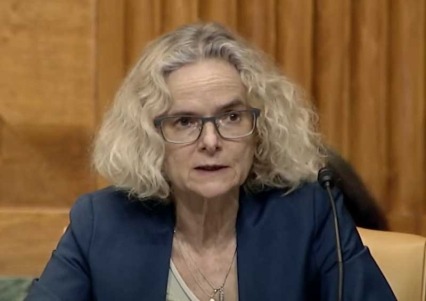
Chairman Whitehouse, Co-Chairman Grassley, and members of the Senate Caucus on International Narcotics Control, thank you for inviting the National Institute on Drug Abuse (NIDA), a component of the National Institutes of Health (NIH), to participate in this hearing. Our mission at NIDA is to use science to address addiction in all its complexity, and I am glad for the opportunity to speak to you today about the collision of our nation’s addiction and overdose crises with the COVID-19 pandemic.
Impact of the COVID-19 Pandemic on Drug Use and Overdose
The twin addiction and overdose crises have collided with the COVID-19 pandemic, each exacerbating the deleterious effects of the other, resulting in increased rates of substance use and overdose, and increased risk for serious effects of COVID-19 illness. Large increases in many kinds of drug use and overdose have been recorded since March 2020, when a national emergency was declared and our lives radically changed due to lockdown and the closure of businesses and schools. Several reports have revealed increases in the number of positive urine drug screens for fentanyl, cocaine, heroin, and methamphetamine.[1],[2],[3] There have also been increases in cannabis and alcohol use, especially among people with anxiety and depression and those experiencing COVID-19-related stress.[4],[5],[6] Further, state and local data suggest substantial increases in emergency visits for drug overdose, including nonfatal overdose, despite a decline in overall non-COVID emergency department visits.[7],[8],[9],[10],[11],[12]
Provisional data from the Centers for Disease Control and Prevention (CDC) show that drug overdose deaths reached an estimated 93,000 deaths in 2020, a nearly 30 percent increase over the previous year and the highest number ever recorded in a 12-month period. Death rates increased by nearly fifty-five percent for fentanyl-category involved overdoses, by forty-six percent for methamphetamine-category involved overdoses, and over twenty-one percent for cocaine-involved overdoses.[13]
Social isolation and pandemic-related stress are likely contributing factors to the rise in substance use and overdose. Social isolation can make people with substance use disorders (SUD) more vulnerable to negative outcomes because it interferes with many of the support systems that can help them to reach and sustain recovery. Researchers have long recognized the strong correlation between stress and substance use, particularly in prompting relapse. Although exposure to stress is a common occurrence for many of us, it is also one of the most powerful triggers for relapse to substance use for people with SUD, even after long periods of abstinence. Notably, there are increased reports of mental distress since the COVID-19 pandemic emerged, including among individuals with no history of mental disorders and among younger adults, racial/ethnic minorities, essential workers, and unpaid adult caregivers.[14],[15],[16],[17]
SUD and Risk for Serious COVID-19 Illness
SUDs are among the health conditions identified by the CDC as increasing a person’s risk for becoming severely ill from COVID-19. Drugs themselves negatively influence human physiology, and data have demonstrated that those who use drugs are more vulnerable to getting infected with SARS-CoV-2, the virus that causes COVID-19 infection, and more vulnerable to worse outcomes; this is especially true for Black people and those with opioid use disorder (OUD).[18],[19],[20],[21]
Chronic cardiovascular or respiratory conditions related to substance use may mediate this higher vulnerability. Because it attacks the lungs, the coronavirus that causes COVID-19 could be an especially serious threat to those who smoke tobacco or marijuana or who vape. Smoking or vaping drugs -including tobacco/nicotine, marijuana, heroin, or crack cocaine - has been shown to worsen chronic lung conditions, which can make a person more likely to get severely ill from COVID-19. People with OUD are also vulnerable because opioids act in the brainstem to slow breathing, increasing risk for long-term damage to the lungs, heart, and brain.[22] This may be among the reasons that people with OUD are more susceptible to COVID-19, and their illness may be more severe. In addition, the use of stimulants such as cocaine, methamphetamine, and amphetamine constricts the blood vessels and may increase the risk for stroke, heart attacks, abnormal heart rhythm, seizures, and other conditions that may lead to more severe heart or lung damage in someone with COVID-19.[23]
Importance of Vaccination for People with SUD
Due to the compounding injurious effects of COVID-19 and SUD, it is especially important that people who use or have an addiction to drugs become vaccinated. As individuals with SUD are also more likely to experience homelessness or incarceration than those in the general population, they may face circumstances that pose additional unique challenges regarding COVID-19 transmission. Nevertheless, fears around vaccines and misinformation are preventing many people from taking the potentially life-saving measure of getting vaccinated. Reasons cited include distrust of the government, wariness about the rapidity with which vaccines were developed, and skepticism about being at higher risk.[24] Vaccine hesitancy could be a particular problem for people who may have experienced previous mistreatment in healthcare settings due to their drug use. Because people with a history of experiencing stigma from the healthcare system due to an addiction may be hesitant, community leaders, healthcare providers, and others in the community must play a role in encouraging and facilitating vaccination for people who use drugs. As trusted messengers, health professionals are in the best position to help patients understand vaccine safety and the many important benefits of becoming vaccinated.[25]
Effects of the COVID-19 Pandemic on SUD Treatment
Treatment Policy Changes
While the COVID-19 pandemic has presented enormous challenges for people with SUD, the altered realities of healthcare have created both barriers to SUD treatment as well as opportunities to reach more people with services and to potentially increase the reach of recovery support systems. There are many anecdotal reports of people with SUDs having to wait longer to obtain treatment as centers had to reduce in-person services in response to social distancing policies. There are reasons to expect that lower-income people and minorities could be especially affected; despite implementing widespread COVID-19 testing, community health centers, which predominantly serve disadvantaged populations, have seen declines in patient visits and have experienced staffing problems.[26] The good news is that pandemic-related policy changes facilitating telehealth and expanding access to medications for OUD may help ameliorate these problems. During the COVID-19 public health emergency, people with OUD can now begin treatment with buprenorphine with a telehealth appointment rather than the initial in-person doctor visit that was previously required. In addition, methadone treatment previously mandated daily supervised dosing with tightly controlled take-home options, but patients deemed stable may now obtain 28 days of take-home doses; others may receive 14 days of doses. Changes to Medicare and Medicaid rules are also enabling telemedicine consultations for SUD to be reimbursed more easily. These developments may particularly benefit people who live in rural areas or who otherwise have had trouble accessing treatment in the past.
Racial Inequities
The COVID-19 pandemic has also highlighted the large racial health disparities in the United States. Black Americans have experienced worse outcomes during the pandemic, continue to die at a greater rate than white Americans, and also suffer disproportionately from a wide range of other acute and chronic illnesses.[27],[28].[29] These disparities are particularly stark in the field of addiction, where entrenched punitive approaches have exacerbated stigma and made it hard to implement appropriate medical care. Abundant data show that Black people and other communities of color have been disproportionately harmed by decades of addressing drug use as a crime rather than as a matter of public health.[30] Not only does incarceration fail to address SUD treatment needs, but congregate settings increase risk for COVID-19 transmission and other harms.[31]
NIDA Research Addressing SUD and Overdose
For the past nearly five decades, NIDA-supported research has led to the development of effective prevention and treatment interventions for SUD, providing hope for the more than 20 million people in the United States diagnosed with SUD and their loved ones. Although significant strides in establishing-evidence-based practices have been made, there is far more work to be done to develop new prevention and treatment interventions and to implement existing effective interventions with fidelity, for diverse populations, and at scale. In particular, developing strategies to prevent and treat opioid and stimulant use, addiction, and overdose will continue to be key priorities for NIDA.
Prevention
Preventing the initiation of substance use and minimizing the risks of harmful consequences are essential components of addressing SUD. NIDA prevention research aims to understand and intervene upon risk and resilience mechanisms for addiction and common comorbidities. Under the Helping to End Addiction Long TermSM or HEAL InitiativeSM, NIDA leads prevention research aimed at adolescent and young adult populations that are at highest risk for opioid misuse and OUD.[32] Goals of the program include preventing individuals with low-severity OUD from developing a more serious OUD; building strategies to keep people in medication treatment for opioid addiction; understanding the role of sleep dysfunction in OUD and recovery; stopping at-risk adolescents from developing OUD; and exploring collaborative care for people with OUD and mental health conditions. Seven pilot studies were completed and are continuing across a variety of prevention strategies including: modifying an existing alcohol and drug prevention intervention designed for American Indian/Alaska Native (AI/AN) youth to be appropriate for opioid prevention in young adults; preventing OUD among homeless adolescents/young adults ages 18-24 years, exploring whether providing housing in addition to opioid and related risk reduction services could improve outcomes; and leveraging technology that is appealing to adolescents and young adults to facilitate delivery of an emergency-department-based intervention via health coaches. Preventing harms related to substance use is another critical priority and includes strategies to prevent overdose and other medical consequences of substance use such as infectious diseases.
Medication Development
Developing effective medications for SUDs is one of our highest priorities and is critical to improving treatment for people with addiction. While effective medications exist for OUD, these medications are underutilized. Suboptimal patient retention in treatment regimens, policy barriers that limit opioid prescribing, and stigma around opioid agonist medications all contribute to their underutilization. More options are needed to help people with OUD achieve long-term recovery. Under the HEAL Initiative, NIDA is supporting research on medications development for OUD and overdose. Since HEAL began, 16 Investigational New Drug applications were filed with the FDA and authorized for human studies. These studies focus on a variety of drug targets, as well as vaccines that could prevent opioids from entering the brain. Others are repurposing existing medications for OUD indications, such as the FDA-approved insomnia medication, suvorexant, based on known overlaps between brain signaling systems involved in sleep and addiction. We are also prioritizing the development of medications to treat stimulant use disorders for which there are currently no FDA-approved medications. Numerous compounds are being tested and approaches span novel biological targets for new medications, to anti-cocaine and anti-meth vaccines, to the repurposing of existing medications. The recently completed Accelerated Development of Additive Pharmacology Treatment (ADAPT-2) trial demonstrated that bupropion (used to treat depression) plus naltrexone (used to treat OUD) was effective for reducing methamphetamine use and craving in individuals with moderate to severe methamphetamine use disorder. We continue to place a high priority on medications development for SUD, including new and improved overdose reversal medications, particularly those that are effective for opioid overdoses involving other drugs such as methamphetamine. More coordinated and targeted approaches to incentivize drug development related to addiction are sorely needed. The pharmaceutical industry has historically underinvested in research and development of addiction treatments, due to the biological complexity of this disorder, the stigma that surrounds it, and concerns around the profitability potential of the market for addiction medications.
Translating Research into Practice in Diverse Settings
Effective provision of prevention and treatment services across health care, justice, and community settings is key to addressing SUD and is the most promising way to improve access to treatment. NIDA places a high priority on implementation research in diverse settings, providing major infrastructure through our Clinical Trials Network (CTN) in healthcare settings, Justice Community Opioid Innovation Network (JCOIN) in justice settings, and HEALing Communities Study (HCS) in community settings.
Clinical Trials Network
NIDA’s CTN allows medical and specialty treatment providers, treatment researchers, patients, and NIDA to cooperatively develop, validate, refine, and deliver new treatment options to patients. The CTN comprises 16 research nodes across the country in academic medical centers and large health care networks, and more than 240 community-anchored treatment programs. This unique partnership enables the CTN to conduct studies of behavioral, pharmacological, and integrated treatment interventions in multisite clinical trials to determine effectiveness across a broad range of settings and populations, including hard-to-reach rural settings. The CTN is conducting studies to evaluate strategies for integrating OUD screening and treatment into emergency departments, primary care clinics, infectious disease programs and rural and AI/AN communities. It also tests alternative models of care for SUD such as the use of pharmacies for delivering medication for OUD and the integration of telehealth for support of treatment. The CTN also supports research based on data relevant to SUD by taking advantage of electronic health record (EHR) systems. It is currently developing and testing a clinical decision support tool that integrates with EHR systems to help doctors diagnose OUD and provide treatment or refer patients to appropriate care. The primary goal of CTN is to bridge the gap between the science of drug treatment and its practice, through the study of evidence-based interventions in real world settings.
Justice Community Opioid Innovation Network
NIDA’s JCOIN, which is part of NIH HEAL initiative, is testing strategies to expand effective OUD treatment and care for people in justice settings in partnership with local and state justice systems and community-based treatment providers.[33] JCOIN includes a national survey of addiction treatment delivery services within the justice system; studies on the effectiveness and adoption of new medications, prevention and treatment interventions, and technologies; and use of existing data sources in novel ways to understand care in justice populations. Together, these studies are generating real-world evidence to address the unique needs of individuals with OUD in justice settings. JCOIN also responded in real time to the COVID-19 pandemic with additional research to study COVID testing protocols in justice-involved populations.
HEALing Communities Study
The HEALing Communities Study, also part of the HEAL Initiative, is a multisite implementation research study investigating coordinated approaches for deploying evidence-based strategies to prevent and treat opioid misuse and OUD tailored to the needs of local communities. Research sites are partnering with 67 communities highly affected by the opioid crisis in four states to measure the impact of these efforts.[34] The ambitious goal of the study is to reduce opioid-related overdose deaths by 40 percent over three years. Despite the impacts of COVID-19 on research, the HEALing Communities study was able to launch a key aspect of its program, a diverse communications campaign to increase awareness and demand for evidence-based practices and to reduce stigma against people with OUD and those taking medications for OUD.[35]
Driving Solutions through Technological Innovation
NIDA leverages the federal government’s small business innovation research (SBIR) and small business technology transfer (STTR) programs and other funding mechanisms to help biotech startups develop innovative technologies that translate addiction science into healthcare and consumer products. These tools help provide more timely information about substance use in communities, connect people to care, provide or support treatment, help individuals sustain their recovery from SUDs, and even facilitate overdose prevention. For example, wastewater-based epidemiology is a novel approach being used to study substance exposure at the community level in order to help public health officials better understand and respond to the current opioid crisis in the United States. In the past, researchers seeking to directly measure opioid exposure were often limited by the fact that they only had access to people who had contact with the health care system; this approach excluded people who use these drugs and have no interaction with the health care system. Now researchers are using this robotic technology to sample both substances and SARS-Cov-2 in wastewater from municipal sewers. Other products deliver evidence-based therapies to people with SUDs in novel ways. For example, a smartphone app originally designed to connect patients to open acute care beds has been adapted to facilitate referrals to addiction treatment facilities and is currently being used by several state governments and hospital systems. NIDA has also helped small businesses develop tools that put evidence-based psychosocial treatment for SUDs right in the hands of anyone with a smartphone. For example, reSET and reSET-O are apps that deliver cognitive behavioral therapy (CBT) and contingency management (i.e., reinforcement) to people with non-opioid SUDs (reSET) and OUD (reSET-O), and were the first mobile medical applications, “digital medicines,” to receive FDA approval for the treatment of addiction. A NIDA SBIR grant is now being used to make these apps more accessible by converting them into a game. To prevent overdose, another app turns a user’s smartphone into a portable respiratory monitor capable of detecting changes in breathing associated with an overdose, sounding an alarm and alerting emergency services. Other apps help doctors and patients monitor and maintain their OUD medication, and connect individuals to behavioral therapies, peer support groups, and community interventions. In addition, NIDA supports the development of entirely novel technologies. One is a hospital bassinet pad that applies gentle vibrations to soothe babies born dependent on opioids, which is currently seeking FDA approval. Another technology uses virtual reality as an alternative form of pain relief to opioids. These and other innovative products demonstrate that pairing sound science with biotechnology entrepreneurship has great potential benefit for our underserved patient population.
NIDA Research on the Intersection of SUD and COVID-19
In March 2020, NIDA responded to the urgent research need posed by the pandemic by issuing a Notice of Special Interest to solicit research at the intersection of COVID-19 and substance use. We’ve funded more than 100 supplemental research studies under this announcement, which was renewed this year. One of the areas of research NIDA is prioritizing is to understand how changes in healthcare policies implemented due to the pandemic, such as telehealth expansion and changes in the methadone take-home dose policy, have affected addiction treatment access and outcomes. Recognizing that many people with SUDs do not have computers or smartphones, NIDA is also focusing on other innovative methods, such as combining telemedicine with street outreach to help ensure that all people receive the care they need.
Through supplements to the HEALthy Brain and Child Development (HBCD) and Adolescent Brain Cognitive Development (ABCD) studies, we have been able to capitalize on existing infrastructure for longitudinal studies to examine the impact of COVID-19 on child development. HBCD, part of the HEAL Initiative, will add to our understanding of early brain development trajectories from the prenatal period through ages 9-10 by determining how environmental factors, including maternal drug exposure, substance use, and COVID-19 influence early brain development and clinical outcomes such as mental illnesses and addiction. ABCD is following nearly 12,000 children from age 9-10 through the subsequent decade, a period likely to capture the initiation of substance use behaviors. This study will determine how childhood experiences interact to affect brain development and social, behavioral, academic, and health outcomes, including substance use and COVID-19. Together, these studies will lead to a better understanding of typical brain and cognitive development and how they are affected by drugs and other environmental exposures.
NIDA is also pleased to be participating in several of the large trans-NIH COVID-19 initiatives made possible with the generous support of Congress. For example, NIDA is participating in the Rapid Acceleration of Diagnostics Underserved Populations, or RADx-UP, Initiative, which aims to expand COVID-19 testing among underserved and medically and/or socially vulnerable populations; NIDA has ensured that people with SUD are recognized as one such population and are included in this research. We are also leading a program under the RADx-Radical initiative to accelerate methods for detecting SARS-CoV-2 in wastewater as a means of improving community-level surveillance of the virus. This project takes advantage of knowledge and expertise NIDA has developed through research on wastewater surveillance of drug use.
Building Partnerships
Partnerships are critical for NIDA research to make a positive impact on public health. NIDA’s commitment to synergistic cooperation takes many different forms, designed to better respond to emergent issues or chronic needs in the public health arena. This includes working with a wide range of partners including state and local governments; sister agencies within the Department of Health and Human Services such as SAMHSA, FDA, and CDC; the Department of Justice; the White House Office on National Drug Control Policy (ONDCP); and with private industry.
Some of the largest projects under the HEAL initiative rely on such collaboration. The HEALing Communities Study is led by NIDA in close partnership with SAMHSA to ensure that this research is best poised to impact service delivery toward ameliorating the opioid crisis in hard hit areas. JCOIN fosters collaboration between investigators, justice, and behavioral health stakeholders in search of creative ways for improving the capacity of the justice system to respond to the opioid crisis. Similarly, our work on medication development aims to de-risk promising compounds so that the pharmaceutical industry can develop them into products and obtain their approval for clinical use.
Along with ongoing collaboration to improve the medication treatment development process, NIDA and FDA work closely together on the Population Assessment of Tobacco and Health (PATH) Study, a nationally representative longitudinal study of tobacco use and health in the United States. By following study participants over time, the PATH Study helps scientists learn how and why people start using tobacco products, quit using them, and start using them again after they’ve quit, as well as how different tobacco products affect health outcomes, such as cardiovascular and respiratory health, over time. Findings from this study and others inform FDA’s regulatory actions. For example, results from NIDA’s Monitoring the Future study revealed that a large proportion of teens vaped because they liked the taste which prompted the FDA to finalize their enforcement policy on flavored vaping (e-cigarette) products.[36]
In addition to these specific research examples, NIDA partners with agencies across HHS to ensure that research findings are effectively communicated to support evidence-based policymaking. Ongoing NIDA projects, along with the existing evidence base, support the development of HHS’s coordinated overdose prevention strategy and the development of ONDCP’s National Drug Control Strategy.[37] These collaborations provide valuable and complementary perspectives and infrastructures that NIDA leverages to maximize potential benefit for the populations we serve.
Conclusion
The COVID-19 pandemic has upended every facet of our society and exacerbated the ongoing public health crisis of drug addiction and overdose. As our nation continues to grapple with the pandemic, we must preserve a laser focus on effective prevention and quality treatment of addiction, and enhanced support of people in recovery. NIDA appreciates the support of Congress for our mission, and NIDA research will continue to pursue scientific solutions to the addiction and overdose crisis as it has evolved due to COVID-19.
References
- Millennium Health's Signals Report™ COVID-19 Special Edition Reveals Significant Changes in Drug Use During the Pandemic (prnewswire.com)
- Analysis of Drug Test Results Before and After the US Declaration of a National Emergency Concerning the COVID-19 Outbreak | Emergency Medicine | JAMA | JAMA Network
- The Opioid Epidemic Within the COVID-19 Pandemic: Drug Testing in 2020 | Population Health Management (liebertpub.com)
- Alcohol Consumption during the COVID-19 Pandemic: A Cross-Sectional Survey of US Adults (nih.gov)
- Increased alcohol use during the COVID-19 pandemic: The effect of mental health and age in a cross-sectional sample of social media users in the U.S. - ScienceDirect
- Changes in Alcohol Consumption Among College Students Due to COVID-19: Effects of Campus Closure and Residential Change: Journal of Studies on Alcohol and Drugs: Vol 81, No 6 (jsad.com)
- Patterns of alcohol and drug utilization in trauma patients during the COVID-19 pandemic at six trauma centers | Injury Epidemiology | Full Text (biomedcentral.com)
- Patterns of alcohol and drug utilization in trauma patients during the COVID-19 pandemic at six trauma centers | Injury Epidemiology | Full Text (biomedcentral.com)
- Brief Report: The Impact of COVID‐19 on Emergency Department Overdose Diagnoses and County Overdose Deaths - Shreffler - - The American Journal on Addictions - Wiley Online Library
- Nonfatal Opioid Overdoses at an Urban Emergency Department During the COVID-19 Pandemic | Emergency Medicine | JAMA | JAMA Network
- Nonfatal Opioid Overdoses at an Urban Emergency Department During the COVID-19 Pandemic | Emergency Medicine | JAMA | JAMA Network
- Injury Center | CDC
- Products - Vital Statistics Rapid Release - Provisional Drug Overdose Data (cdc.gov)
- Mental Health - Household Pulse Survey - COVID-19 (cdc.gov)
- Early Release of Selected Mental Health Estimates Based on Data from the January–June 2019 National Health Interview Survey (cdc.gov)
- Mental distress during the COVID-19 pandemic among US adults without a pre-existing mental health condition: Findings from American trend panel survey - ScienceDirect
- Mental Health, Substance Use, and Suicidal Ideation During the COVID-19 Pandemic — United States, June 24–30, 2020 | MMWR (cdc.gov)
- COVID-19 risk and outcomes in patients with substance use disorders: analyses from electronic health records in the United States | Molecular Psychiatry (nature.com)
- JKMS, Journal of Korean Medical Science
- Association of substance use disorders and drug overdose with adverse COVID-19 outcomes in New York City: January–October 2020 (nih.gov)
- The Impact of Substance Use Disorder on COVID-19 Outcomes | Psychiatric Services (psychiatryonline.org)
- Mechanisms of fatal opioid overdose - PubMed (nih.gov)
- Mechanisms of fatal opioid overdose - PubMed (nih.gov)
- Trust in a COVID-19 vaccine among people with substance use disorders (nih.gov)
- Safety of COVID-19 Vaccines | CDC
- Impact of Coronavirus on Community Health Centers | KFF
- Racism and Health | Health Equity | CDC
- Racial Disparities in COVID-19 Testing and Outcomes : Retrospective Cohort Study in an Integrated Health System - PubMed (nih.gov)
- National Disparities in COVID-19 Outcomes between Black and White Americans - PubMed (nih.gov)
- Examining Racial Disparities in Drug Arrests: Justice Quarterly: Vol 32, No 2 (tandfonline.com)
- Release from Prison — A High Risk of Death for Former Inmates | NEJM
- Preventing At-Risk Adolescents from Developing Opioid Use Disorder | NIH HEAL Initiative
- Justice Community Opioid Innovation Network | NIH HEAL Initiative
- HEALing Communities Study | NIH HEAL Initiative
- Introduction to the special issue on the HEALing Communities Study - PubMed (nih.gov)
- FDA finalizes enforcement policy on unauthorized flavored cartridge-based e-cigarettes that appeal to children, including fruit and mint | FDA
- ONDCP Releases 2020 National Drug Control Strategy and Rural Toolkit - Capitol Connector (thenationalcouncil.org)
For older content, visit the Archived Testimony to Congress.