 An official website of the United States government




Each year, the NHLBI receives its budget from the United States Congress. Learn more about our budget and how it funds our programs and research priorities.
Read the FY 2027 NIH Congressional Justification
Last updated April 10, 2026
Congressional Budget Justifications
Each year, when the President submits a budget request to Congress, federal agencies including the NIH/NHLBI prepare a Congressional Justification for the House and Senate appropriations committees. This document helps justify the President's request by detailing our past investments and advances in research, active research programs, evolving scientific priorities, and proposed budget for the coming fiscal year (FY).
- FY 2027 Congressional Justification
- FY 2026 Congressional Justification
- FY 2025 Congressional Justification
- FY 2024 Congressional Justification
- FY 2023 Congressional Justification
- FY 2022 Congressional Justification
- FY 2021 Congressional Justification
- FY 2020 Congressional Justification
- FY 2019 Congressional Justification
Significant Items
Each year, Congress issues directives, called Significant Items, to Federal agencies, including NIH, in the reports accompanying House and Senate appropriations bills. Significant Items are assigned to the NIH Institutes and Centers (ICs) according to their areas of expertise.
- FY 2022 Significant Items
- FY 2021 Significant Items
- FY 2020 Significant Items
- FY 2019 Significant Items
- FY 2018 Significant Items
- FY 2017 Significant Items
- FY 2016 Significant Items
Congressional Appropriations Hearings
DEPARTMENT OF HEALTH AND HUMAN SERVICES
NATIONAL INSTITUTES OF HEALTH
Fiscal Year 2019 Budget Request
Statement for the Record
Senate Appropriations Subcommittee on Labor, Health and Human Services, Education, and Related Agencies
Gary H. Gibbons, M.D.
Director, National Heart, Lung, and Blood Institute
Mr. Chairman and Members of the Committee: I am pleased to present the President’s Fiscal Year (FY) 2019 budget request for the National Heart, Lung, and Blood Institute (NHLBI) of the National Institutes of Health (NIH).
This year, the NHLBI commemorates its 70th anniversary and a legacy of achievements across the broad spectrum of research – including basic science, epidemiology studies, implementation research, training, and landmark clinical trials – that have helped people all over the world live longer, healthier lives. Moving forward, the Institute remains committed to leveraging scientific opportunities and working in partnership with the public and private sector to prevent and treat heart, lung, blood, and sleep disorders.
INVESTING IN BASIC RESEARCH TODAY FOR TOMORROW’S CURES
The NHLBI’s continued investments in fundamental discovery science provide the foundation for tomorrow’s medical breakthroughs. This includes the NHLBI’s support for research on the circadian rhythm (the body’s daily internal clock), how it is regulated, and its relationship to the risk of chronic disease. Well known to cardiologists, blood pressure rises and falls on a daily rhythm, reaching its peak in the early morning – which is also when the risk for heart attacks and other cardiovascular events is greatest. Moreover, disruption of circadian rhythms has been shown to contribute to obesity, diabetes, and other conditions that can increase the risk of heart, lung, blood, and sleep disorders. Recent discoveries from basic research – including work on fruit flies recognized with the 2017 Nobel Prize in Medicine – have revealed new insights on the genetic and molecular pathways underlying circadian rhythms that are opening new doors to prevention and treatment.
To leverage these discoveries, the NHLBI has partnered with the National Institute of Diabetes and Digestive and Kidney Diseases on a program to better understand how circadian-dependent mechanisms contribute to obesity and to the risk of heart and lung disorders linked to obesity. Such research may help identify novel therapies that act on the circadian rhythm to prevent or manage these disorders.[1] As researchers learn more about the basic pathways underlying circadian function, they may also gain new insights into treating sleep disorders such as sleep apnea.
THE POWER OF DATA TO PERSONALIZE MEDICINE
The goal of precision medicine is to give health care providers the tools to better predict health and preempt chronic disease, and to tailor treatment strategies to a patient’s unique characteristics. To accomplish this, the NHLBI’s Trans-Omics for Precision Medicine (TOPMed) program is integrating clinical, genomic, and other data from diverse cohort studies, including the NHLBI’s long-standing Framingham Heart Study and Jackson Heart Study, which continue to help us understand who is vulnerable to chronic diseases and why. To date, TOPMed has generated whole-genome sequences from 120,000 individuals in these studies, which we expect will identify new genetic risk factors for disease and new molecular targets for therapy.
Data from TOPMed will be included in a pilot of the new NIH Data Commons, a public-private partnership to bring research findings into a cloud-computing environment to enhance data sharing. This effort will give researchers access to data from hundreds of studies, creating new opportunities for collaborative research, innovation, and discovery.
REDUCING HEALTH DISPARITIES
Despite declines in overall death rates from cardiovascular disease (CVD), many populations in the United States, whether defined by race, gender, geography, or other factors, continue to experience a high burden of CVD and other chronic diseases. Increasingly, it is clear that place matters. Where people live, work, and play affects their susceptibility to disease and their health outcomes.
A 2017 study of more than 3,000 counties found a high burden of CVD throughout the U.S. heartland, from Kentucky to Oklahoma, with mortality rates in the highest-burden counties up to four times higher than in the lowest-burden counties.[2] New CDC data also shows that rural Americans face a higher burden of chronic obstructive pulmonary disease (COPD) than urban Americans and are dying from it at higher rates.[3] Many communities face economic, cultural, and geographic barriers to disease awareness, prevention, and treatment, reflected in a high burden of CVD risk factors such as high blood pressure, smoking, low physical activity, and high-calorie diets.
These data help inform efforts to reduce health disparities through implementation research. For example, a recent NHLBI-funded study shows the power of using non-traditional settings to adapt and implement health care interventions for high-risk communities. In the study, blood pressure screenings and pharmacist referrals at barbershops helped reduce high blood pressure among African American men in the Los Angeles area.[4] In alignment with the comprehensive federal COPD National Action Plan, other research seeks to improve COPD care in medically underserved areas. One recent study found that a set of simple affordable diagnostic tools can help primary care providers identify patients with COPD and follow up with appropriate treatment.[5]
The NHLBI is expanding its implementation research programs. The STIMULATE initiative seeks investigator-initiated proposals to overcome barriers to implementation of proven interventions, and DECIPHeR will create opportunities to integrate intervention trials into the NHLBI’s long-running observational studies of minority populations.
SICKLE CELL DISEASE: FROM BETTER TREATMENTS TO A CURE
While the NHLBI supports implementation research programs in sickle cell disease (SCD) that are helping develop and test approaches to improve patient outcomes, fundamental discoveries in stem cell biology and genomics are converging toward a cure. SCD is a genetic blood disorder that affects 100,000 Americans and millions worldwide. It is caused by a genetic mutation that causes the body’s red blood cells to take on a sickled shape and obstruct blood flow, leading to severe frequent pain, organ damage, and other debilitating effects.
More than 50 percent of adults with SCD have significant pain more than three days per week, and about 40 percent take opioid pain medications daily. The NHLBI supports research to investigate mechanisms of pain in SCD and the potential for non-opioid treatments. This research will assist in addressing the Nation’s devastating opioid epidemic, by helping ensure that individuals with SCD and other types of chronic pain can acquire effective relief without over-reliance on opioids.
In addition to managing pain and other complications of SCD, it is possible to cure SCD with a bone marrow transplant. However, this procedure requires that the patient have a healthy, immunologically matched marrow donor, which is not an option for most patients.
Advances in gene-editing technologies, such as CRISPR, are offering new hope for a cure that works for all patients. By using the patient’s own bone marrow stem cells, researchers can replace the faulty SCD gene or edit the misspelled gene and transplant the corrected cells back into the patient, without the risk of immune rejection. NHLBI intramural scientists are leading cutting-edge research and clinical trials in this area.
Curing this disease within the decade is not something the NIH can do alone. The NHLBI Cure Sickle Cell initiative is bringing together patients, patient advocacy groups, health care providers, academic researchers, and industry to accelerate development of a widely available SCD cure.
CONCLUSION
Medical breakthroughs and improvements in public health that once seemed impossible are now within reach due in large part to the NHLBI’s seven decades of investing in excellent science. The Institute remains committed to funding investigator-initiated discovery science, training and building a talented diverse scientific workforce to help address an array of research needs, forming new strategic partnerships, and promoting the implementation of evidence-based care. Through these multi-pronged efforts, the NHLBI will continue to stimulate the scientific advances needed to further reduce suffering from heart, lung, blood, and sleep disorders.
Gary H. Gibbons, M.D.
Director, National Heart, Lung, and Blood Institute
Gary H. Gibbons, M.D., is director of the National Heart, Lung, and Blood Institute (NHLBI) at the National Institutes of Health (NIH), where he oversees the third largest institute at the NIH, with an annual budget of more than $3 billion and a staff of about 900 federal employees. The NHLBI provides global leadership for research, training, and education programs to promote the prevention and treatment of heart, lung, and blood diseases and enhance the health of all individuals so that they can live longer and more fulfilling lives.
Since being named director of the NHLBI, Dr. Gibbons has enhanced the NHLBI investment in fundamental discovery science, steadily increasing the payline and number of awards for established and early stage investigators. His commitment to nurturing the next generation of scientists is manifest in expanded funding for career development and loan repayment awards, as well as initiatives to facilitate the transition to independent research awards.
Dr. Gibbons provides leadership to advance several NIH initiatives, and has made many scientific contributions in the fields of vascular biology, genomic medicine, and the pathogenesis of vascular diseases. His research focuses on investigating the relationships between clinical phenotypes, behavior, molecular interactions, and social determinants on gene expression and their contribution to cardiovascular disease. Dr. Gibbons has received several patents for innovations derived from his research in the fields of vascular biology and the pathogenesis of vascular diseases.
Dr. Gibbons earned his undergraduate degree from Princeton University in New Jersey, and graduated magna cum laude from Harvard Medical School in Boston. He completed his residency and cardiology fellowship at the Harvard-affiliated Brigham and Women's Hospital. Dr. Gibbons was a member of the faculty at Stanford University in California from 1990-1996, and at Harvard Medical School from 1996-1999. He joined the Morehouse School of Medicine in Atlanta in 1999, where he served as the founding director of the Cardiovascular Research Institute, chairperson of the Department of Physiology, and professor of physiology and medicine. While at Morehouse, Dr. Gibbons served as a member of the National Heart, Lung, and Blood Advisory Council from 2009-2012.
Throughout his career, Dr. Gibbons has received numerous honors, including election to the Institute of Medicine of the National Academies of Sciences; selection as a Robert Wood Johnson Foundation Minority Faculty Development Awardee; selection as a Pew Foundation Biomedical Scholar; and recognition as an Established Investigator of the American Heart Association.
DEPARTMENT OF HEALTH AND HUMAN SERVICES
NATIONAL INSTITUTES OF HEALTH
Fiscal Year 2016 Budget Request
Statement for the Record
Senate Appropriations Subcommittee on Labor, Health and Human Services, Education, and Related Agencies
Gary H. Gibbons, M.D.
Director, National Heart, Lung, and Blood Institute
Mr. Chairman and Members of the Subcommittee:
I am pleased to present the President’s Fiscal Year (FY) 2016 budget request for the National Heart, Lung, and Blood Institute (NHLBI) of the National Institutes of Health (NIH). The FY 2016 budget request includes $2,987,685,000 for NHLBI, which is $4,948,000 over the FY 2015 enacted level of $2,982,737,000.
NHLBI investments in biomedical research on heart, lung, blood, and sleep (HLBS) disorders have contributed to dramatic improvements in longevity, quality of life, and the economy of the nation. For example, long term research investments have helped to reduce deaths from cardiovascular disease (CVD) by over 70 percent in the past 40 years. Such investments also pay economic dividends. A recent analysis of data from the Women’s Health Initiative (WHI), which found that postmenopausal hormone therapy failed to protect women from coronary heart disease and increased the risk of developing breast cancer, revealed a $140 return on each dollar invested in the trial. Yet heart and lung diseases remain the leading causes of death, disability and rising health care costs from non-communicable diseases in the United States and around the world.
Today’s discovery science presents opportunities to pursue questions that could not be explored a decade ago. We hope to understand the intricate and dynamic biological systems that sustain health and identify what goes awry earlier in disease processes. NHLBI is advancing precision medicine to prevent and preempt chronic disease and ensure that each person receives the right treatment at the right time.
TRANSFORMING CLINICAL PRACTICE WITH PRECISION MEDICINE
Fundamental discovery science and its translation into therapeutics and clinical innovation are the foundation of our success in altering the trajectory of disease. Pioneering work in genomics allows us to build upon that success. For example, in 1989, the identification of the gene that causes cystic fibrosis (CF)—the CFTR gene—led to earlier diagnosis and improved symptom management. Additional NIH-funded research revealed the various CFTR mutations that led to impaired lung function. The most common mutation, F508del, alters the proper folding of the CFTR protein and blocks its transport to the lung cell surface. These fundamental insights into the cellular actions of CFTR served as an invaluable guide for drug development in the private sector yielding two new drugs that hold promise for improving lung function in most patients with CF. These exciting findings exemplify the potential for precision medicine to tailor the most effective therapy based on an individual’s characteristics.
To accelerate the discovery of the molecular basis of disease and to identify new targets for therapeutic development, NHLBI is exploring new directions in precision medicine. One new initiative, Trans-Omics for Precision Medicine, will begin by conducting whole genome sequencing of 20,000 individuals from diverse groups to study a variety of HLBS disorders. Combining this data with molecular, imaging, environmental, and clinical data will lead to better characterization of factors that predispose to or protect against disease, greater understanding of different subtypes of disease, and ultimately to developing more targeted, personalized treatments.
PREEMPTING AND PREVENTING CHRONIC DISEASE
Precision medicine and advances in stem cell biology offer new opportunities to preempt and prevent chronic illnesses such as Sickle Cell Disease (SCD), a genetic disorder that once severely limited children’s lifespans. Today, as a result of NHLBI-funded research which improved symptom management and reduced risk of stroke, most individuals with SCD can live into their fifties. However, SCD remains a chronic disease with life-long complications. New gene-editing tools, which replace defective DNA with healthy DNA, provide an exciting approach that could preempt disease manifestation. In a recent proof-of-concept study, researchers generated induced pluripotent stem cells from SCD patients, replaced the sickle gene with a healthy one, and then successfully converted the stem cells into mature normal red blood cells. If proven safe, these gene-corrected red blood cells could be used for transfusions to reduce complications from repeated donor transfusions. Even more promising, this technology could lead to the ability to correct the SCD gene in a patient’s own bone marrow, providing hope for a widely available cure of SCD in the future.
Similarly, significant progress continues to be made in the diagnosis and management of chronic lung diseases. Chronic Obstructive Pulmonary Disease (COPD) is the third leading cause of death and a significant contributor to disability in the United States. NHLBI-supported research has shown that certain treatments and lifestyle changes—such as wearing oxygen masks at night and quitting smoking—can improve quality of life for people with COPD. NHLBI is now using new technologies to study the complex structure of the lung in ways not possible before. For example, NHLBI’s COPDGene study has demonstrated that COPD is not one disorder, rather, there are several subtypes and some clusters are associated with known genetic variants. NHLBI’s LungMAP project is examining the complex interplay among different cell types that result in the development of healthy lungs. These technologies will allow us to better understand pre-symptomatic stages of lung disease, differentiate subclasses of disease early, and identify factors that contribute to resilience, which could lead to more effective treatments to prevent lung disease progression before symptoms begin and irreversible damage has occurred.
REDUCING HEALTH INEQUITIES
NHLBI has a long history of studying how HLBS diseases impact subgroups of the population differently and that the inclusion of these subgroups in research can identify ways to tailor treatments. For example, the NHLBI-funded Women’s Ischemia Syndrome Evaluation (WISE) study showed that the location of blockages in the coronary arteries that cause heart attacks differs in women compared to men. NHLBI-supported clinical trials also demonstrated that low-dose aspirin was effective in reducing the risk of stroke in women but not heart attack, unlike what was seen in men. These results gave rise to clinical guidelines for the differential use of aspirin in CVD prevention for men and women. Ongoing basic research in animal models is exploring the role of sex as a biological variable underlying this difference.
Similarly, NHLBI is invested in better understanding factors that increase risk of CVD among African Americans. For example, a recent study of participants from the Jackson Heart Study and WHI showed that two risk variants in the APOL1 gene, which are known to contribute to kidney disease, also increase risk of CVD in African Americans. Studies such as these identify ways to reduce health inequities and point to new lines of research that can provide a foundation for improving health of all citizens.
CONCLUSION
NHLBI remains committed to continuing its legacy of success in supporting research that addresses the major causes of death. The ability to arrest disease before symptoms begin and treatment costs are incurred can generate an unprecedented return-on-investment in biomedical research and a healthier and wealthier nation.
Gary H. Gibbons, M.D.
Director, National Heart, Lung and Blood Institute
Gary H. Gibbons, M.D., is Director of the National Heart, Lung, and Blood Institute (NHLBI) at the National Institutes of Health (NIH), where he oversees the third largest institute at the NIH, with an annual budget of approximately $3 billion and a staff of nearly 1,000 federal employees.
NHLBI provides global leadership for research, training, and education programs to promote the prevention and treatment of heart, lung, and blood diseases and enhance the health of all individuals so that they can live longer and more fulfilling lives.
Prior to being named director of the NHLBI, Dr. Gibbons served as a member of the National Heart, Lung, and Blood Advisory Council (NHLBAC) from 2009-2012. He was also a member of the NHLBI Board of Extramural Experts (BEE), a working group of the NHLBAC.
Before joining NHLBI, Dr. Gibbons served as the founding director of the Cardiovascular Research Institute, chairperson of the Department of Physiology, and professor of physiology and medicine at the Morehouse School of Medicine, in Atlanta.
Under his leadership of the Cardiovascular Research Institute, Dr. Gibbons directed NIH-funded research in the fields of vascular biology, genomic medicine, and the pathogenesis of vascular diseases. During his tenure, the Cardiovascular Research Institute emerged as a center of excellence, leading the way in discoveries related to the cardiovascular health of minority populations. Dr. Gibbons received several patents for innovations derived from his research in the fields of vascular biology and the pathogenesis of vascular diseases.
Dr. Gibbons earned his undergraduate degree from Princeton University in Princeton, N.J., and graduated magna cum laude from Harvard Medical School in Boston. He completed his residency and cardiology fellowship at the Harvard-affiliated Brigham and Women's Hospital in Boston. Prior to joining the Morehouse School of Medicine in 1999, Dr. Gibbons was a member of the faculty at Stanford University in Stanford, Calif., from 1990-1996, and at Harvard Medical School from 1996-1999.
Throughout his career, Dr. Gibbons has received numerous honors, including election to the Institute of Medicine of the National Academies of Sciences; selection as a Robert Wood Johnson Foundation Minority Faculty Development Awardee; selection as a Pew Foundation Biomedical Scholar; and recognition as an Established Investigator of the American Heart Association (AHA).
DEPARTMENT OF HEALTH AND HUMAN SERVICES
NATIONAL INSTITUTES OF HEALTH
Fiscal Year 2015 Budget Request
Statement for the Record
Senate Subcommittee on Labor-HHS-Education Appropriations
Gary H. Gibbons, M.D.
Director, National Heart, Lung, and Blood Institute
March 2014
Mr. Chairman and distinguished members of the Subcommittee:
I am pleased to present the President’s Budget request for the National Heart, Lung, and Blood Institute (NHLBI) of the National Institutes of Health (NIH). The fiscal year (FY) 2015 budget of $2,987,685,000 includes an increase of $4,948,000 over the FY 2014 enacted level of $2,982,737,000.
NHLBI’s highest priorities for research investment are conditions that contribute substantially to the global burden of disease. Heart and lung diseases are the leading causes of death, disability, and rising health care costs from non-communicable diseases in the United States and worldwide. Research supported by the NHLBI has contributed to dramatic improvements in longevity, quality of life, and the wealth of the nation. Deaths from cardiovascular disease, for example, have dropped by 70 percent in the past 40 years. This success reflects a balanced approach to supporting discovery science that spans basic, clinical, and population research. As accountable stewards seeking to maximize the public’s return-on-investment, we are committed to continually improving our approach to strategic priority-setting and systematic evaluation of our portfolio to ensure the highest possible impact on science and health.
Reflecting upon the NHLBI’s legacy of success, many of the previous advances involved interventions at the latter stages of chronic disease. The FY 2015 budget envisions a research agenda that elucidates the underlying mechanisms of disease such that clinicians can more accurately predict at-risk individuals and tailor preventive interventions for disease long before symptoms and irreversible damage occur. Our strategic vision is guided by the breathtaking scientific opportunities at hand and public health needs, in consultation with domain-experts at the leading edge of discovery science. The FY 2015 budget continues a journey toward predictive, preventive precision medicine that holds promise for turning research-to-results, continuing the dramatic decline in the burden of chronic disease in our nation.
UNPRECEDENTED SCIENTIFIC OPPORTUNITIES
Sustained investments in fundamental discovery science have led to new tools and technologies that stand to revolutionize medical research and clinical practice. Biomedical advances in congenital heart disease (CHD), the most common structural birth defect, have led to dramatic improvements in infant survival over the past 50 years, now with more adults living with CHD than children. However, current palliative approaches that repair birth defects have limitations that compromise the length and quality of life. Recent NHLBI-supported research, applying the latest genomic technologies, has identified spontaneous genetic mutations that increase the risk of CHD. This breakthrough finding is beginning to unlock the mysteries of CHD, helping to define what goes awry during the formation of the heart and lay the foundation for preventing or fixing defects in the womb. To that end, NHLBI is investing in regenerative medicine research to enhance the capacity of the heart to repair itself. The 2012 Nobel Laureate, Shinya Yamanaka, is part of a large inter-institutional team of NHLBI-funded investigators studying how to use a child’s own cells to repair a congenital defect or create a tissue graft that could grow as a child ages.
NHLBI investments in reparative biology and tissue bioengineering may also hold promise for accelerating new drug development platforms in partnership with the private sector. For example, NHLBI-funded investigators at Stanford University are using stem cells derived from adult tissue in a laboratory to create heart cells and model diseases such as those that perturb the electrical system of the heart in atrial fibrillation. These models are being used to more efficiently screen many novel drugs to determine efficacy as well as potential toxicities, augmenting the discovery pipeline.
PREEMPTING AND PREVENTING CHRONIC DISEASE
New scientific discoveries hold promise for making public health inroads to halt chronic diseases before they become debilitating. In sickle cell disease (SCD), for example, we have made great strides in reducing complications from the disease such as penicillin to prevent fatal infections in infants, transfusions to reduce stroke risk, and hydroxyurea to reduce pain and hospital admissions. While these advances have extended lifespans from childhood into the sixth decade of life, they target complications not the disease itself—a disease that disproportionately affects African Americans (about 1 in 500 births). We recently funded a new program that we hope will lead to the next generation of SCD treatments. Particularly exciting are studies that are attempting to raise fetal hemoglobin levels (the most powerful known modifier of SCD severity) through modulation of a gene called Bcl11A that is involved in the switch from fetal to adult hemoglobin during development. These studies open the door to potential treatments that can reactivate the fetal hemoglobin gene to inhibit the sickle cell shape change of red blood cells, which could preempt disease progression.
Chronic obstructive pulmonary disease (COPD), the third leading cause of death, is a prime example of a chronic disease in which biomedical research advances have ameliorated symptoms; yet most interventions fail to dramatically alter the natural course of the disease. There is a critical need to identify at-risk individuals earlier in the disease process to prevent disease progression. NHLBI’s COPDgene study is integrating genetics and imaging studies to characterize pre-clinical subtypes of COPD. Such characterization can enable clinicians to detect subtle changes in lung function and structure long before symptoms develop, conventional clinical tests show abnormalities, or progressive lung damage occurs. This leading-edge research points to a horizon of individualized, precision medicine to preempt chronic lung disease.
TRANSLATING DISCOVERIES INTO PUBLIC HEALTH IMPACT
While basic science is the cornerstone of scientific discovery, it is the beginning of a long path to public health impact. NHLBI has been a leader in traversing this road. Noted research initiatives like the Framingham Heart Study first identified the cardiovascular disease risk factors now addressed in routine physicals, which led to basic research that won Brown and Goldstein the Nobel Prize for their research on cholesterol metabolism—setting the stage for the development of statin drugs.
We are currently amidst a similar story unfolding. The recent discovery of a mutation in the gene PCSK9 among a family with very low LDL cholesterol levels and reduced risk of heart attack has led to basic science discoveries and the rapid development of PCSK9 inhibitors by public-private partnership toward potential widespread clinical use as the next generation of cholesterol lowering drugs.
We now know, however, that we must look beyond one-size-fits-all treatments. Population science and genetics research have clearly demonstrated individual differences not only in predisposition to disease but also in treatment response. For example, 26 million Americans currently suffer from asthma—the leading cause of missed school days for children and a driver of preventable hospitalizations and emergency room visits. However, asthma disproportionately affects African Americans; African American children are twice as likely to have asthma as white children and, as adults, are two to three times more likely to die of asthma than any other racial or ethnic group. While effective treatments exist, they do not reach all of those in need. NHLBI will be seeking applications focused on identifying barriers and testing strategies to enhance the implementation of evidence-based practices in diverse communities across the nation. Beyond the current treatments, next generation therapies should target these differences to achieve maximal benefit. NHLBI’s multi-center clinical trial network, AsthmaNet, is beginning the Best African American Response to Asthma Drugs (BARD) study to compare the effectiveness of different treatments on the management of asthma in African Americans. BARD will also assess how genetics may influence an individual’s response to the treatments, which could be a paradigm shift in addressing challenges like disparities in asthma care.
CONCLUSION
We are in the midst of a very exciting period in science in which the capacity to enhance human health has never been greater. New tools and technologies are daring us to envision a future that is unburdened by chronic heart, lung, and blood diseases—not only ensuring wellness but also increasing economic productivity and reducing health care costs. For example, research shows that treating patients at moderate risk for cardiovascular disease with statin drugs to lower cholesterol can reduce annual medical spending by up to $430 million. Imagine how much can be saved by preventive interventions earlier in the disease course before symptoms begin and the costs of treatment rise dramatically. By achieving that goal, the return-on-investment of biomedical research will strengthen both the health and the wealth of the nation.
Gary H. Gibbons, M.D.
Director, National Heart, Lung and Blood Institute
Gary H. Gibbons, M.D., is Director of the National Heart, Lung, and Blood Institute (NHLBI) at the National Institutes of Health (NIH), where he oversees the third largest institute at the NIH, with an annual budget of approximately $3 billion and a staff of nearly 1,000 federal employees.
NHLBI provides global leadership for research, training, and education programs to promote the prevention and treatment of heart, lung, and blood diseases and enhance the health of all individuals so that they can live longer and more fulfilling lives.
Prior to being named director of the NHLBI, Dr. Gibbons served as a member of the National Heart, Lung, and Blood Advisory Council (NHLBAC) from 2009-2012. He was also a member of the NHLBI Board of Extramural Experts (BEE), a working group of the NHLBAC.
Before joining NHLBI, Dr. Gibbons served as the founding director of the Cardiovascular Research Institute, chairperson of the Department of Physiology, and professor of physiology and medicine at the Morehouse School of Medicine, in Atlanta.
Under his leadership of the Cardiovascular Research Institute, Dr. Gibbons directed NIH-funded research in the fields of vascular biology, genomic medicine, and the pathogenesis of vascular diseases. During his tenure, the Cardiovascular Research Institute emerged as a center of excellence, leading the way in discoveries related to the cardiovascular health of minority populations. Dr. Gibbons received several patents for innovations derived from his research in the fields of vascular biology and the pathogenesis of vascular diseases.
Dr. Gibbons earned his undergraduate degree from Princeton University in Princeton, N.J., and graduated magna cum laude from Harvard Medical School in Boston. He completed his residency and cardiology fellowship at the Harvard-affiliated Brigham and Women's Hospital in Boston. Prior to joining the Morehouse School of Medicine in 1999, Dr. Gibbons was a member of the faculty at Stanford University in Stanford, Calif., from 1990-1996, and at Harvard Medical School from 1996-1999.
Throughout his career, Dr. Gibbons has received numerous honors, including election to the Institute of Medicine of the National Academies of Sciences; selection as a Robert Wood Johnson Foundation Minority Faculty Development Awardee; selection as a Pew Foundation Biomedical Scholar; and recognition as an Established Investigator of the American Heart Association (AHA).
DEPARTMENT OF HEALTH AND HUMAN SERVICES
NATIONAL INSTITUTES OF HEALTH
Fiscal Year 2014 Budget Request
Statement for the Record for the House Subcommittee on Labor-HHS-Education Appropriations
Gary H. Gibbons, M.D., Director National Heart, Lung, and Blood Institute
May 15, 2013
Mr. Chairman and distinguished members of the Subcommittee:
I am pleased to present the President’s Budget request for the National Heart, Lung, and Blood Institute (NHLBI) of the National Institutes of Health (NIH). The fiscal year (FY) 2014 budget of $3,098,508,000 includes an increase of $25,206,000 over the comparable FY 2012 level of $3,073,302,000.
NHLBI leads research and education programs to discover and apply knowledge to improve health by preventing and treating heart, lung, and blood diseases. It is a privilege to serve as NHLBI Director in this time of unprecedented opportunity in biomedical research. Today, I will discuss new opportunities to reduce health disparities, advance understanding of complex chronic diseases, and enhance clinical research.
HEALTH DISPARITIES RESEARCH
The NHLBI portfolio includes studies of many diseases that impose strikingly disparate burdens on Americans from different walks of life. Understanding and alleviating health disparities has been a passion of mine throughout my career, and I am honored to lead an Institute with such a longstanding commitment to supporting work in that area. Many of you are familiar with the NHLBI’s large epidemiological studies that focus on minority populations, including the Jackson Heart Study in African Americans, the Hispanic Community Health Study, the Multi-Ethnic Study of Atherosclerosis, which includes a sizeable cohort of Asian Americans, and the Strong Heart study in American Indians. Our recent investments in genotyping of diverse cohorts promise to shed critical light on biological differences in disease susceptibility as well as the interactions between genes and environment as determinants of health among all Americans. We also have an outstanding record of including substantial numbers of minorities in our clinical research, particularly in studies of high blood pressure, which appears with great frequency and often devastating complications in African Americans.
Efforts to date have yielded progress that has benefited most people to some extent but, unfortunately, has done little to close the gaps that persist between the healthiest and least healthy segments of society. Because health disparities are complex and are clearly influenced not only by genetics but also by factors such as family, social community, and physical environment, we believe that they offer an excellent model for a new “systems” approach to our research strategy. Until recently scientists have had to consider such factors separately; for instance, one researcher might look at basic biological pathways or genetic factors, while another examines lifestyle choices and a third considers socioeconomic influences. This piecemeal approach provides a limited view of how disease occurs and, more important, how it can be prevented or managed effectively. To revolutionize our understanding of health and disease, we are now developing and exploiting new tools that enable consideration of many factors—biological, behavioral, environmental—together in a holistic way. That, I believe, is the path to future progress in preventing and pre-empting chronic heart, lung, and blood disorders. If we can develop the “systems” research model for health disparities research we can transform both science and medicine by applying it more broadly to other public health needs.
A NEW PARADIGM FOR UNDERSTANDING COMPLEX DISEASES
Let me give you one example of recent findings that highlight the value of a cross-disciplinary approach. We have known for decades that the foods we eat influence our risk of developing cardiovascular disease (CVD). Observational studies have taught us the value of so-called heart-healthy diets that emphasize fruits, vegetables, whole grains, fish, and “good” fats such as olive oil. Nevertheless, controversies persist about the potential harmful effects of red meat consumption. Scientists still don’t know why certain foods increase or reduce the risk of CVD.
Recently, a provocative series of NHLBI-funded studies provided some important new insights into the potential link between red meat consumption and atherosclerotic CVD. Researchers have shown that the bacteria that reside in our guts and metabolize L-carnitine, a substance found in red meat, may be an important culprit behind CVD. This interaction between diet and gut microbes leads to the production of TMAO (trimethylamine-N-oxide), an organic compound that circulates in the blood and promotes the “clogging of arteries” by inhibiting the removal of cholesterol from atherosclerotic plaque.
This and other work is dramatically enhancing our view of how the trillions of microbes that co-exist in and around our bodies contribute to both health and disease. The research perfectly illustrates a “systems” approach that iteratively integrates studies in mice as well as large-scale population science and smaller-scale human studies. It provides an entirely new and critical understanding of the dynamic interplay between the factors that predispose patients to CVD.
ENHANCING CLINICAL RESEARCH
As we work to integrate our research efforts across multiple disciplines, we are placing particular emphasis on ensuring that our clinical research is robust. A major challenge is to enhance clinical trials, which provide critical evaluation of new preventive and therapeutic approaches but are, arguably, some of our most challenging and expensive undertakings. In recent years, the NHLBI has been exploring ways to make trials more efficient and more applicable to real-world clinical settings. Moving forward, we plan to build on past successes while capitalizing on new technologies and data sources, such as electronic medical records.
For many years, the NHLBI has used a network model to increase the efficiency of clinical trials. Our networks have a strong track record of conducting multiple, multi-center, clinical trials using standardized operations and sustainable infrastructures that minimize the time required to start new studies. They span a wide range of topics, such as asthma, cardiovascular cell therapy, pediatric heart disease, heart failure, childhood obesity, and transfusion medicine. A major problem facing our healthcare system is the costly cycle of chronic disease care that is characterized by persistent debilitating symptoms, hospitalizations for acute exacerbations of the condition, eventual hospital discharge, and then subsequent re-hospitalizations. To address this clinical practice challenge, the NHLBI is supporting innovation in discovery science that holds promise for breaking this vicious cycle of chronic heart, lung, and blood disorders. In 2014, we will pilot a new network structure to evaluate treatment strategies for acute, serious lung conditions—such as exacerbations of chronic obstructive pulmonary disease—that require hospitalization. If the new model proves successful we will apply it to clinical trials of other chronic diseases that are treated in inpatient clinical settings.
Another cost-effective strategy that the NHLBI has used very successfully is funding ancillary studies piggybacked onto trials to maximize return on investment. For example an NHLBI-funded clinical trial demonstrating that aspirin reduces the risk of heart attack also included ancillary studies that sought to identify new risk factors for CVD. These ancillary discovery science projects superimposed on the original clinical trial yielded strong evidence that elevated levels of a marker for inflammation called c‑reactive protein are correlated with CVD events. The insights gained from the original clinical trial and subsequent ancillary studies have led to an innovative strategy to reduce CVD that targets the inflammatory process as a causative factor in heart attacks. Accordingly, the NHLBI recently funded the Cardiovascular Inflammation Reduction Trial to determine whether treatment with the anti-inflammation drug methotrexate, which is commonly prescribed for rheumatoid arthritis, reduces the risk of heart attacks and strokes. Taken together, these studies illustrate the NHLBI’s ongoing efforts to enhance the efficiency and return-on-investment of our clinical trial portfolio so that advances in the practice of medicine are translated into healthier lives for all Americans.
We also are pursuing new opportunities to conduct trials that are bigger, but simpler, with clinically relevant end points that leverage routine medical care and existing data in electronic medical records and registries. By using electronic health records data from real-world clinical practice, we hope not only to make trials more relevant to clinical practice, but also to make the results more robust and reproducible by including hundreds of thousands of participants. In FY 2014, the Institute will explore the use of electronic medical records in clinical trials through a new initiative to compare the ability of two data sources, electronic health records and traditional prospective patient-based clinical and research data, to answer research questions about pediatric pulmonary vascular diseases. We anticipate that these innovations that enhance the cost-effectiveness of NHLBI’s approach to supporting clinical research will yield additional new discoveries that have a dramatic impact on the health outcomes of patients with chronic heart, lung, and blood disorders.
Gary H. Gibbons, M.D.
Director, National Heart, Lung and Blood Institute
Gary H. Gibbons, M.D., is Director of the National Heart, Lung, and Blood Institute (NHLBI) at the National Institutes of Health (NIH), where he oversees the third largest institute at the NIH, with an annual budget of approximately $3 billion and a staff of 1,000 federal employees.
NHLBI provides global leadership for research, training, and education programs to promote the prevention and treatment of heart, lung, and blood diseases and enhance the health of all individuals so that they can live longer and more fulfilling lives.
Prior to being named director of the NHLBI, Dr. Gibbons served as a member of the National Heart, Lung, and Blood Advisory Council (NHLBAC) from 2009-2012. He was also a member of the NHLBI Board of Extramural Experts (BEE), a working group of the NHLBAC.
Before joining NHLBI, Dr. Gibbons served as the founding director of the Cardiovascular Research Institute, chairperson of the Department of Physiology, and professor of physiology and medicine at the Morehouse School of Medicine, in Atlanta.
Under his leadership of the Cardiovascular Research Institute, Dr. Gibbons directed NIH-funded research in the fields of vascular biology, genomic medicine, and the pathogenesis of vascular diseases. During his tenure, the Cardiovascular Research Institute emerged as a center of excellence, leading the way in discoveries related to the cardiovascular health of minority populations. Dr. Gibbons received several patents for innovations derived from his research in the fields of vascular biology and the pathogenesis of vascular diseases.
Dr. Gibbons earned his undergraduate degree from Princeton University in Princeton, N.J., and graduated magna cum laude from Harvard Medical School in Boston. He completed his residency and cardiology fellowship at the Harvard-affiliated Brigham and Women's Hospital in Boston. Prior to joining the Morehouse School of Medicine in 1999, Dr. Gibbons was a member of the faculty at Stanford University in Stanford, Calif., from 1990-1996, and at Harvard Medical School from 1996-1999.
Throughout his career, Dr. Gibbons has received numerous honors, including election to the Institute of Medicine of the National Academies of Sciences; selection as a Robert Wood Johnson Foundation Minority Faculty Development Awardee; selection as a Pew Foundation Biomedical Scholar; and recognition as an Established Investigator of the American Heart Association (AHA).
Congressional Testimony, Briefings, Reports, and Special Events
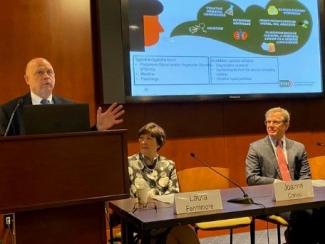
- FY 2022 Senate Appropriations Labor-HHS Subcommittee. (May 26, 2021) NHLBI Speaker: Gary H. Gibbons, M.D., NHLBI Director, joins NIH Director Collins and several other NIH Institute Directors.
- FY 2022 House Appropriations Labor-HHS Subcommittee. (May 25, 2021) NHLBI Speaker: Gary H. Gibbons, M.D., NHLBI Director, joins NIH Director and several other NIH Institute Directors.
- Black Maternal Health Caucus Roundtable. (December 11, 2019) NHLBI speaker: Gary H. Gibbons, M.D., NHLBI Director.
- Labor-HHS Subcommittee members visit NIH. (September 17, 2019) NHLBI speaker: John Tisdale, M.D., Division of Intramural Research.
- The Alliance of Aging Research 2019 Annual Congressional Bipartisan Awards (September 17, 2019) John Tisdale, M.D. of NHLBI received Silver Innovator Award.
- Congressional Rare Disease Caucus Briefing on New Technologies and Treatments for Rare Diseases (May 15, 2019) NHLBI Speaker: Gary H. Gibbons, M.D., NHLBI Director.
- Capitol Hill Event to Commemorate the NHLBI Division of Lung Diseases (DLD) 50th Anniversary (April 9, 2019)
- Research! America 30th Annual Meeting of Members (March 13, 2019) NHLBI Speaker: Gary H. Gibbons, M.D., NHLBI Director.
- WomenHeart Capitol Hill Briefing on Women's Inclusion in Cardiovascular Research (February 26, 2019) NHLBI Speakers: Gary H. Gibbons, M.D., NHLBI Director, and Nakela Cook, M.D., Chief of Staff at NHLBI
- Pulmonary Fibrosis Patient Education Day, (September 22, 2018) NHLBI Speaker: Gary H. Gibbons, M.D., NHLBI Director
- Congressional Briefing on Chronic Obstructive Pulmonary Disease: The Burden in Rural America, (March 20, 2018) NHLBI Speaker: James, P. Kiley, Ph.D., director of the Division of Lung Diseases
Key Moments in NHLBI's Legislative History
1948
The National Heart Institute was established in 1948 when President Harry S. Truman signed into law the National Heart Act, Public Law 80-655, which authorized the Institute to conduct, assist, and foster research; provide training; and assist the states in the prevention, diagnosis, and treatment of heart diseases.
1969
The Institute was renamed the National Heart and Lung Institute in 1969 by the U.S. Secretary of Health, Education, and Welfare, after a major National Heart Institute reorganization that created a pulmonary disease branch, along with branches for other cardiovascular diseases, therapeutic evaluation, and epidemiology.
1972
Congress further expanded the Institute's authorities in 1972, with the enactment of the National Heart, Blood Vessel, Lung and Blood Act, Public Law 92-423, to augment the national effort against heart, lung, and blood diseases.
1976
In 1976, the Health Research and Health Services Amendments, Public Law 94-278, authorized research and training on blood disease and the use of blood products and the management of blood resources. The law also changed the Institute's name to the NHLBI.
1993
In 1993, the National Center on Sleep Disorders Research was established as part of NHLBI, with the enactment of the NIH Revitalization Act, Public Law 103-43. The Center remains under the leadership of the NHLBI Division of Lung Diseases.
For more information about the NHLBI's history, visit our History page
Annual Science Advances
Learn more about some of NHLBI's major programs, partnership activities, as well as recent advances in research funded by the institute. The information is presented by program area and showcases how NHLBI is implementing the objectives established in the NHLBI Strategic Vision.
NHLBI Gift Fund
The NHLBI is also authorized by Congress to accept donations and bequests to support its mission.
The National Heart, Lung, and Blood Institute (NHLBI) is not a fundraising organization, but it is authorized by the U.S. Congress to accept donations and bequests to support its mission. Such donations are kept in a gift fund account that is separate from the funds that are received each year from Congress.
How Donations Are Used
All donations to the NHLBI Gift Fund are considered to be 'unconditional', unless specified by the donor for a specific purpose. This means that all donations go into a general account to be utilized in support of the Institute's research mission and at the discretion of the NHLBI Director. Since our basic operating expenses and administrative costs are paid from funds received from Congress each year, Gift Fund donations are generally used for special projects.
Projects supported through the Gift Fund may vary from year to year to support activities including but not limited to the following:
- Special fellowships to train young scientists in NHLBI research.
- Equipment for clinical laboratories (such as specialized imaging equipment for pediatric cardiac research).
- The NIH Clinical Center's Patient Emergency Fund, which is used to assist patients in financial need. (Donations can also be made directly to the NIH Clinical Center for this purpose.)
- Workshops/conferences on subjects of special importance to NHLBI research.
- Dissemination of vital health information to patients, health professionals, and the general public.
- Funding of research projects.
- Support of efforts to recruit scientific staff.
How To Donate
- Send the NHLBI a check or money order.
- Include a donation letter with your check.
Contributions should be made in the form of check or money order payable to "NHLBI" with the words "Gift Fund" in the memo line. The check or money order should be sent to:
The Director
The National Heart, Lung, and Blood Institute
Building 31 Room 5A48
31 Center Drive, MSC 2486
Bethesda, MD 20892
Information to Include in Your Donation Letter to the NHLBI
You should include the following in your letter:
- Your name (contact person)
- Company name (if applicable)
- Street address
- City, state, and ZIP code
- Phone number (optional)
- Research Designation (optional). All donations are applied toward projects in support of heart, lung, blood, and sleep research as determined by the NHLBI Director. However, if you want your donation to be used for a specific type of research, you may state it in your letter and in the memo line of your check.
- Memorial Donations (optional). Please include the name of your loved one in your letter, as well as the name(s) and address(es) of the person(s) whom you would like the NHLBI to acknowledge for the memorial donation (a spouse, sibling, parent, etc.).
- Honorary Donations (optional). Please write the name of the person your donation is in honor of in your letter, as well as the name(s) and address(es) of the person(s) whom you would like the NHLBI to acknowledge for the honorary donation (the honoree, a spouse, a sibling, a parent, etc.).
Further Information
If you have any further questions, please feel free to write to the NHLBI Office of Budget and Finance at the address above or call (301) 496-5166. You may also send any questions via email.