 An official website of the United States government





News
Scientists build largest maps to date of cells in human brain
International research teams created highly detailed cellular maps of adult and developing human brains, along with the brains of other animals.

News
Calorie restriction and human muscle function
Calorie restriction resulted in changes in human muscle cells consistent with improved muscle health.

News
Immune boost may protect against multiple hospital-acquired infections
A novel type of vaccine designed to stimulate the innate immune system provided protection for mice against a wide range of bacteria and fungi.
More Stories
February 5, 2019 Edition

Light activity may lower harmful effects of sitting
A study found that even light-intensity movement for 30 minutes a day can reduce the risk of death incurred by sitting.

Ebola antibody treatment tested in people
A treatment for Ebola developed from a survivor’s protective antibody was found safe in a study of healthy volunteers at the NIH Clinical Center.

Cerebellum connects to brain's reward system
A study in mice found that the brain's cerebellum€”known to play a role in motor coordination€”also helps control the brain's reward circuitry.
January 29, 2019 Edition

Blood-brain barrier test may predict dementia
A new study suggests that measuring the breakdown of the blood-brain barrier could be an early way to test for cognitive impairment from Alzheimer’s disease and other causes.

Printed scaffolds promote spinal cord repair in rats
Researchers used 3D printing technology to create a scaffold that helped promote the growth of new nerve cells in rats and restore some limb movement after spinal cord injury.

Patch replaces damaged retinal cells
Researchers developed a biodegradable patch for replacing diseased cells in the eye with healthy ones. The findings provide the basis for preliminary safety tests of the method in people.
January 15, 2019 Edition

Genes linked to abnormal bone density and fracture
Using information from hundreds of thousands of people, researchers produced a detailed analysis of the genetic factors related to bone density.

Physical activity may reduce depression symptoms
Researchers found that sleep problems, lack of energy, and physical inactivity may lead to a depressed mood. The findings reverse conventional wisdom that depression leads to physical inactivity.

School nutrition policies reduce weight gain
Implementing nutrition policies at middle schools limited unhealthy weight gains in students. The findings highlight an effective obesity prevention strategy in schools.
January 8, 2019 Edition

Revealing gene regulation in the brain
A resource with information on gene regulation from more than 2,000 human brains yielded insights into mental disorders and will enable future studies of human brain development and function.

Eating red meat daily triples heart disease-related chemical
People had high blood levels of TMAO, a chemical that’s been linked to heart disease, when they ate a diet rich in red meat.

Genetically modified houseplant cleans indoor air
Researchers genetically modified an indoor houseplant to purify certain airborne toxins commonly found in the home that have been linked to cancer.
December 18, 2018 Edition

2018 Research Highlights - Promising Medical Advances
NIH findings with potential for enhancing human health include vaccines against HIV, anthrax, and plague, a wearable ultrasound patch to track blood pressure, and a technique to regrow neurons across scarred spinal tissue.

2018 Research Highlights - Insights From the Lab
Noteworthy NIH advances in basic research include new insights into cancer, identification of a human skeletal stem cell, and an experimental male contraceptive that blocks sperm movement.

2018 Research Highlights - Clinical Advances
NIH accomplishments in the prevention, diagnosis, and treatment of human disease include progress on preventing opioid overdoses, an antibody combination that suppresses HIV, and fecal transplants that restore gut microbes after antibiotics.
December 4, 2018 Edition

Detecting prions in eyes
Scientists detected abnormal prion proteins in multiple parts of the eye in people who died from Creutzfeldt-Jakob disease.

Most ovarian cysts may not need surveillance
Women with simple ovarian cysts detected by ultrasound didn’t develop ovarian cancer at elevated rates over the next three years, adding to evidence that these cysts aren’t dangerous.

Probiotics not helpful for young children with diarrhea
A probiotic treatment did not show any benefit for young children brought to the hospital with acute gastroenteritis, which involves diarrhea and other symptoms.
November 20, 2018 Edition

Building an atlas of brain function in mice
Researchers produced an atlas of brain cells in a region of the mouse hypothalamus that controls key social behaviors.
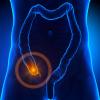
Appendix linked to toxic Parkinson's protein
A study suggests that the toxic protein buildup that's linked to Parkinson's may begin in the appendix.

New antibiotic for gonorrhea advances in trials
A novel antibiotic called zoliflodacin cured most gonorrhea infections in a single dose. The findings pave the way for larger, more definitive trials.
November 6, 2018 Edition

Preserving sperm stem cells restores fertility in mice
Scientists stored stem cells that produce sperm for months and used them to restore fertility in male mice. The approach could potentially help young boys undergoing chemotherapy.

Method identifies disease-causing bacteria
A sensitive test accurately screened blood samples for the presence of any of the more than 300 bacteria known to cause disease in people.

How the brain keeps track of time
Researchers discovered a set of brain cells that keeps track of time in mice. The study suggests that there are separate brain circuits for recording information about time and places.
October 30, 2018 Edition

Immune culprits linked to inflammation and bone loss in gum disease
Researchers identified specific immune cells that, when triggered by bacteria, drive gum disease. The findings reveal potential treatment targets.

Antipsychotics not helpful for delirium in ICU
A study suggests that the common practice of prescribing antipsychotic drugs to treat delirium in intensive care units may need to be reassessed.

Vaccine protects animals against anthrax and plague
Scientists engineered a vaccine that protects animals from both anthrax and plague. After more development and testing, the approach could be used to combat public health threats.