 An official website of the United States government





News
New inflammatory disease discovered
Using a genomic approach, researchers identified a new inflammatory disorder, called VEXAS, in men with diverse symptoms.

News
How mucus in the colon prevents inflammation and injury
A study in mice showed how mucus production throughout the colon keeps gut bacteria isolated from intestinal tissue and helps prevent inflammation.

News
Gene therapy with novel protein restores vision in mice
Researchers restored vision in blind mice by using gene therapy to add a novel light-sensing protein to cells in the retina.
More Stories
May 24, 2022 Edition

Antioxidant effects on dementia risk may differ
Higher blood levels of some antioxidants, but not others, were associated with a reduced risk of developing Alzheimer’s disease or other dementias.

Health benefits of dietary fibers vary
Different dietary fiber supplements were associated with different health benefits, such as decreased cholesterol and increased numbers of beneficial bacteria.

How the nervous system perceives pleasant touch
Researchers identified a signaling pathway in the spine that’s needed for the nervous system to process the sensation of pleasant touch.
May 10, 2022 Edition

Intranasal proteins could protect against COVID-19 variants
Proteins designed to be resistant to new SARS-CoV-2 variants protected mice against infection when given through the nose.

Study links synthetic chemicals to liver damage
A review of more than one hundred studies found that PFAS, synthetic chemicals found in many common products, are linked to markers of liver damage.
May 3, 2022 Edition

How breathing activates lung defenses against viruses
Researchers used advanced tissue chip technology to learn how the physical forces of breathing help boost immunity in lung tissue.

Blood marker shows potential for tracking frontotemporal dementia
Blood levels of a protein called NfL could help identify people with a brain disease called frontotemporal dementia, or FTD, even in its early stages.

Treatment for macular edema has long-lasting gains
A treatment for macular edema due to retinal vein occlusion yielded vision gains for at least five years, although many patients required ongoing treatment.
April 26, 2022 Edition
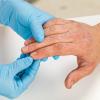
Obesity alters response to anti-inflammatory treatment
A treatment for severe skin inflammation that works well in lean mice made the condition worse in obese mice because of immune-cell changes associated with obesity.

E-cigarettes may complicate teen attempts to quit nicotine
Among U.S. teens, unsuccessful attempts to quit smoking rose in 2020 after years of decline—a reversal that might relate to the recent rise in vaping.

Viruses in the gut influence inflammatory bowel disease
Viruses isolated from people with inflammatory bowel disease, or IBD, triggered inflammation in human cells and mice, while those from non-diseased guts didn’t.
April 12, 2022 Edition

Understanding how the brain tracks social status and competition
In mouse studies, researchers gained insight into how different brain areas help process information related to social status, competition, and other group dynamics.

First complete sequence of a human genome
Researchers finished sequencing the roughly 3 billion bases (or “letters”) of DNA that make up a human genome.

Nasal antiviral blocks SARS-CoV-2 infection in mice
A compound delivered into the nose blocked a protein used by SARS-CoV-2 to get into cells and prevented severe infection in mice.
April 5, 2022 Edition

System reveals 3D details of living tissues
Researchers developed a system that allows for real-time 3D imaging of living tissues without the need for any dyes.

Compound blocks excess mucus secretion in mouse lungs
In mice, a compound called SP9 blocked the excess secretion of mucus, a feature of many lung diseases that can cause difficulty breathing and other symptoms.

Antibodies recognize new SARS-CoV-2 Omicron variant after booster
After a booster vaccination, levels of antibodies in the blood that could bind to and neutralize a new Omicron subvariant increased substantially.
March 22, 2022 Edition

Mandatory masking in schools reduced COVID-19 cases
Schools with mandatory masking during the Delta surge had less in-school transmission of SARS-CoV-2 than schools with optional or partial masking policies.

Blocking hormone improves Alzheimer's symptoms in mice
Researchers found that a hormone called FSH can act on neurons in the brain and increase the production of proteins implicated in Alzheimer's disease.

Medication helps protect insulin production in type 1 diabetes
A drug approved to treat high blood pressure, called verapamil, protected insulin-producing cells in the pancreas in people with type 1 diabetes.
March 15, 2022 Edition

Imaging technique shows Alzheimer's impact on brain connections
A new imaging technique found that fewer connections between brain cells were associated with the cognitive decline seen in people with early-stage Alzheimer's disease.

How proteins connect common neurodegenerative diseases
Scientists discovered how a mislocated protein implicated in several neurodegenerative diseases affects another protein that’s needed for normal nerve cell functioning.

Vaping alters mouth microbes
People who used electronic cigarettes had unique microbial communities in their mouths that more closely resembled those of smokers than of nonsmokers.
March 8, 2022 Edition
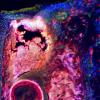
How skin cells help fight acne
A type of skin cell called a dermal fibroblast can make an antimicrobial compound called cathelicidin in response to infection by acne-causing bacteria.

Getting sufficient sleep reduces calorie intake
In a randomized clinical trial, overweight adults who increased how much they slept took in fewer calories.

COVID-19 immune response improves for months after vaccination
Researchers showed that B cells evolve after COVID-19 vaccination to help improve protection against SARS-CoV-2 over time.